




Persian Clothing
Persian Fashion History: A Rich Tapestry of Heritage and Style
Persian fashion history is a dazzling journey through time, where every garment whispers stories of a vibrant, ancient civilisation. It’s a living, breathing archive of culture and craftsmanship, where skilled hands and passionate hearts brought beauty to life with every stitch. Each piece, from the humblest robe to the most ornate ensemble, carries with it the essence of an era long past, woven together with threads of creativity, tradition, and artistry. Through its rich fabrics and intricate designs, Persian fashion tells a story that transcends mere fashion—it’s a testament to the soul of a people and the beauty they carried into the world.
Woven with exquisite care and steeped in symbolism, the garments of Persian fashion history are a reflection of Persia’s diverse landscapes—from lush gardens to bustling bazaars, grand palaces, and tranquil deserts. Each motif, colour, and pattern is a visual poetry, drawn from nature’s splendour, ancient folklore, and the region’s rich historical tapestry.
These garments are the embodiment of Persian identity, tradition, and soul. The elaborate designs tell stories of royal courts glittering with opulence, the hum of life in vibrant marketplaces, and the serene beauty of Persia’s iconic gardens. Every vibrant hue, every meticulous stitch of embroidery, speaks to the brilliance and devotion of Persian artisans, whose passion for their craft has transcended centuries, preserving a legacy of beauty and excellence.
As we journey through the annals of Persian fashion history, we witness a world of transformation and resilience. From the lavish elegance of royal couture to the understated simplicity of rural dress, the evolution of Persian style mirrors the pulse of its people and their changing times. Despite the march of modernity, traditional craftsmanship has not only survived but flourished, evolving with time while holding fast to its roots—its relevance today a testament to its timeless appeal.
But Persian clothing goes beyond aesthetics—it stands as a proud declaration of cultural unity and identity, a thread that connects generations. It is a link to the past, a celebration of present culture, and a guide for the future of Persian design and artistry.
So, join us as we travel through this rich, captivating tapestry of time. Let us admire the grace and allure of each garment, marvel at the artistry behind each stitch, and celebrate the enduring legacy of Persian fashion. Allow yourself to be swept away by the timeless narrative that unfolds with each piece, as Persian fashion history reveals its secrets and its splendour.
Table of Contents
The Qajar Period: Evolution of Style and Aesthetics in Persian Fashion History
The Qajar dynasty (1789–1925) was a pivotal chapter in Persian fashion history, a time when tradition and innovation blended seamlessly, sparking transformative changes across society, particularly in textile production and fashion. It was an era where old-world elegance met the currents of modernity, giving rise to a unique fusion of styles that would leave a lasting imprint on Persian culture.
As Iran’s textile industry blossomed, a striking contrast developed in the fabrics produced during this period. On one side, there was a turn toward simplicity in the creation of everyday fabrics—knitted, durable, and comfortable garments worn by the common people. These textiles reflected the practical side of Persian fashion, designed for ease and functionality, yet no less significant in their understated beauty. They were a celebration of the everyday, embodying the resilience and resourcefulness of the people who wore them.
This practical simplicity coexisted with more luxurious fabrics, often adorned with intricate patterns and bold colours, worn by the elite. The juxtaposition of these two styles during the Qajar era highlights the diversity of Persian fashion—a world where the needs of commoners were met with durable, accessible clothing, while the upper classes revelled in garments that reflected their status and connection to tradition. This balance between the practical and the ornamental was a key feature of the Qajar period, underscoring the dynamic interplay between different cultural influences during a time of significant change.
In this era of transformation, Persian fashion not only reflected social hierarchies but also symbolised a broader cultural shift—an intricate dance between the old and the new, the practical and the opulent, the everyday and the extraordinary. The fabrics of the Qajar dynasty, in all their variety, tell the story of a society navigating the crossroads of history, capturing both the enduring spirit of its people and the evolving currents of the world around them.
The Qajar dynasty wasn’t just an era of political and social change in Persia—it was also a period of bold sartorial evolution, where fashion became a reflection of both heritage and newfound global connections. While everyday fabrics embraced practicality, the other side of Qajar fashion glittered with opulence, most notably in the production of lavish silk brocades. These fabrics, often woven with intricate patterns of gold and silver thread, were the epitome of luxury, reserved for the elite and used in courtly attire and ceremonial dress. The shimmering textiles not only highlighted the wealth and status of the wearer but also celebrated Persian craftsmanship at its finest, where art and fashion intertwined seamlessly.
The winds of change blew in with increasing contact between Persia and Europe. As trade routes became more established, a flood of European influences entered the Persian fashion scene, creating a fascinating cultural exchange that was especially visible in urban centres. This cross-pollination of styles reached its peak during the reign of Nasir al-Din Shah (Persian: ناصرالدینشاه قاجار), a ruler who harboured a deep admiration for European art and aesthetics.
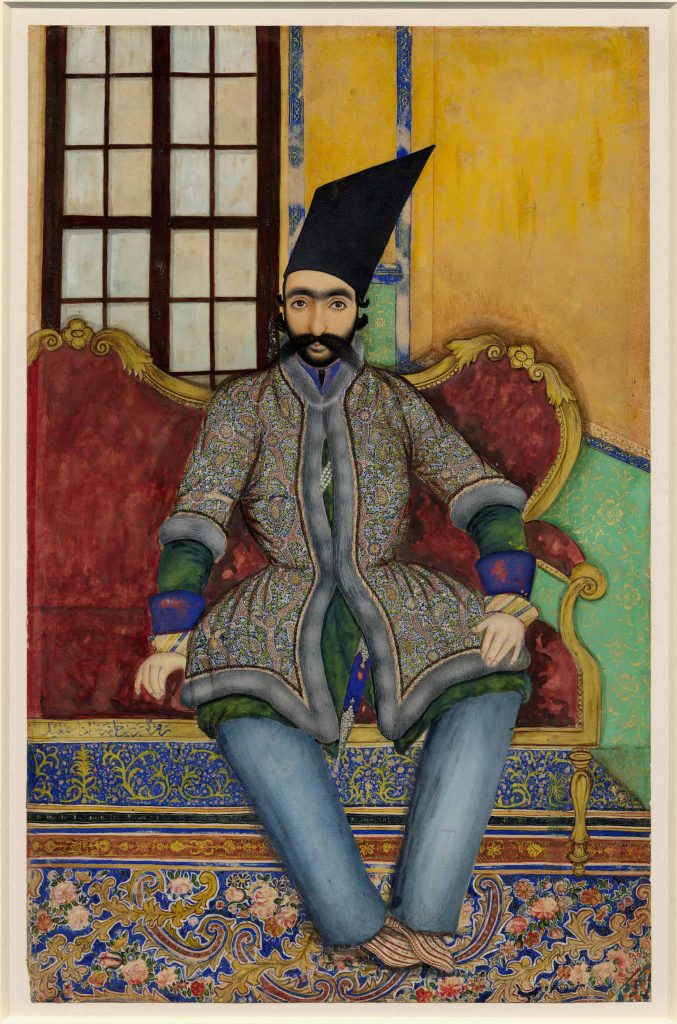
Nasir al-Din Shah was instrumental in encouraging the integration of European fashion into Persian dress. His reign saw a distinctive shift, as traditional Persian attire began to merge with Western elements. Women’s clothing, in particular, started to reflect a more fitted silhouette reminiscent of European fashion. Yet, this Westernisation did not come at the expense of Persian identity. These garments retained the vibrant colours, intricate embroidery, and high-quality local fabrics that were hallmarks of Persian design, resulting in an exquisite blend of old and new. It was a fusion that honoured tradition while embracing the modern, creating a unique and innovative style that distinguished the Qajar era.
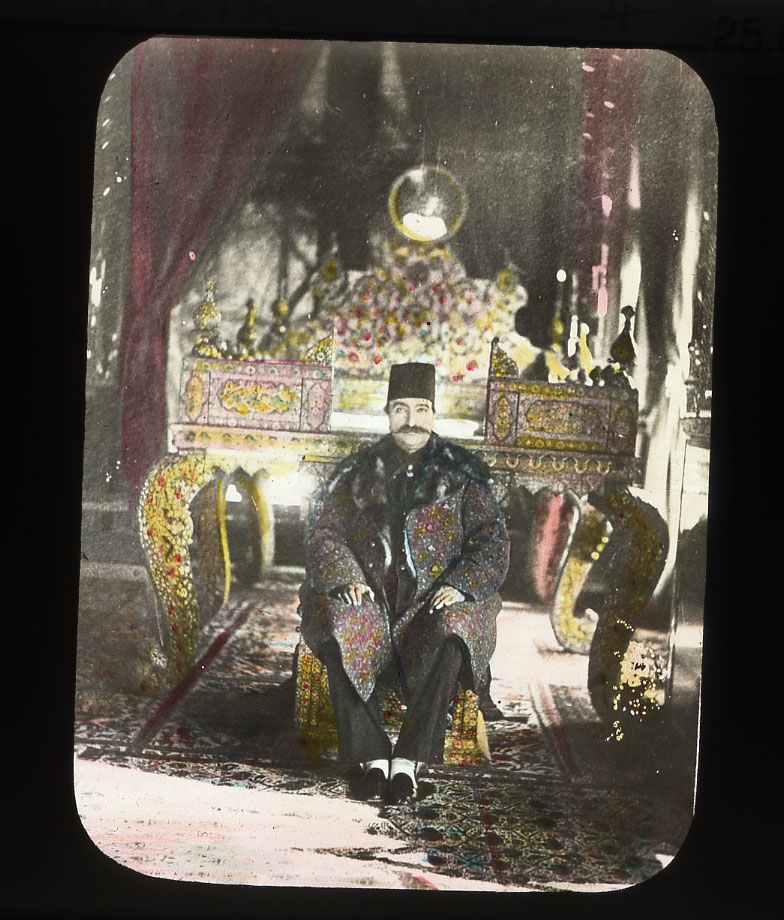
The Shah himself became a fashion icon of sorts, often seen in tailored European suits, military uniforms, or regal European court attire during public appearances. His sartorial choices set the tone for the urban elite, who followed suit by incorporating more European styles into their wardrobes, from the structure of their clothing to the materials they favored. However, even in their adoption of Western trends, the Persians added their own distinctive touch, making this period one of creative fusion where Eastern opulence met Western refinement.
| Aspect | Traditional Persian Influence | European Influence |
|---|---|---|
| Fabrics | Silk brocades, knitted fabrics | Introduction of new materials |
| Women’s Clothing | Vibrant colors, intricate embroidery | Fitted silhouettes, European dress styles |
| Men’s Clothing | Traditional robes, turbans | Tailored suits, military uniforms |
| Motifs and Patterns | Traditional symbols, natural elements | European patterns and designs |
This harmonious blending of Persian and European fashion became one of the defining aesthetics of the Qajar period. It wasn’t simply about dressing to impress; it was about weaving together two worlds, creating a style that was at once deeply rooted in Persian heritage while also looking outward toward the broader world. The result was a rich, layered fashion history that encapsulated the Qajar era’s spirit of innovation, global influence, and artistic pride.
The Brocade Jacket of Royalty: Persian Fashion’s Crown Jewel
The marriage of art and fashion during the Qajar era reached its pinnacle in a masterpiece of elegance: a purple silk brocade jacket, an emblem of woven royalty and a testament to the era’s exquisite craftsmanship. This singular garment encapsulates the cultural richness, refined aesthetic sensibilities, and remarkable skill that defined this transformative period in Persian fashion history.
Hailing from the historic city of Isfahan—a renowned centre for Persian arts and crafts—the jacket is a harmonious fusion of form, texture, and colour. The rich purple silk provides a sumptuous canvas for an intricate display of gold paisley motifs, or boteh (Persian: بته), a symbol deeply rooted in Persian art and history. Often likened to a teardrop or a budding floral sprig, boteh represents life, eternity, and renewal, weaving layers of meaning into the fabric itself. The luminous gold patterns shimmer against the regal purple backdrop, creating a stunning visual contrast that captures the essence of Qajar grandeur and sophistication. Each delicate motif seems to dance across the jacket, as if alive with the vibrancy of the period’s cultural and artistic flourishing. The careful balance between the jacket’s royal colour palette and the graceful, symbolic paisley designs speaks to the Qajar era’s penchant for fusing aesthetic beauty with deeper cultural significance
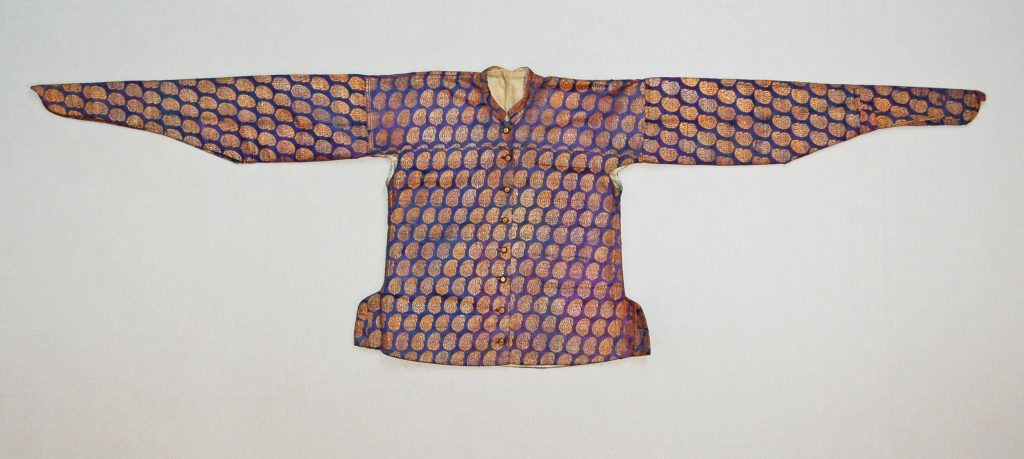
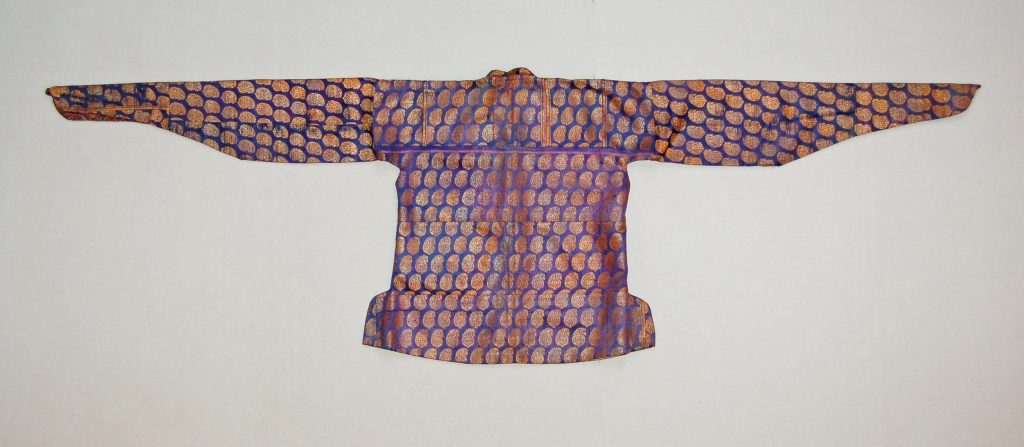
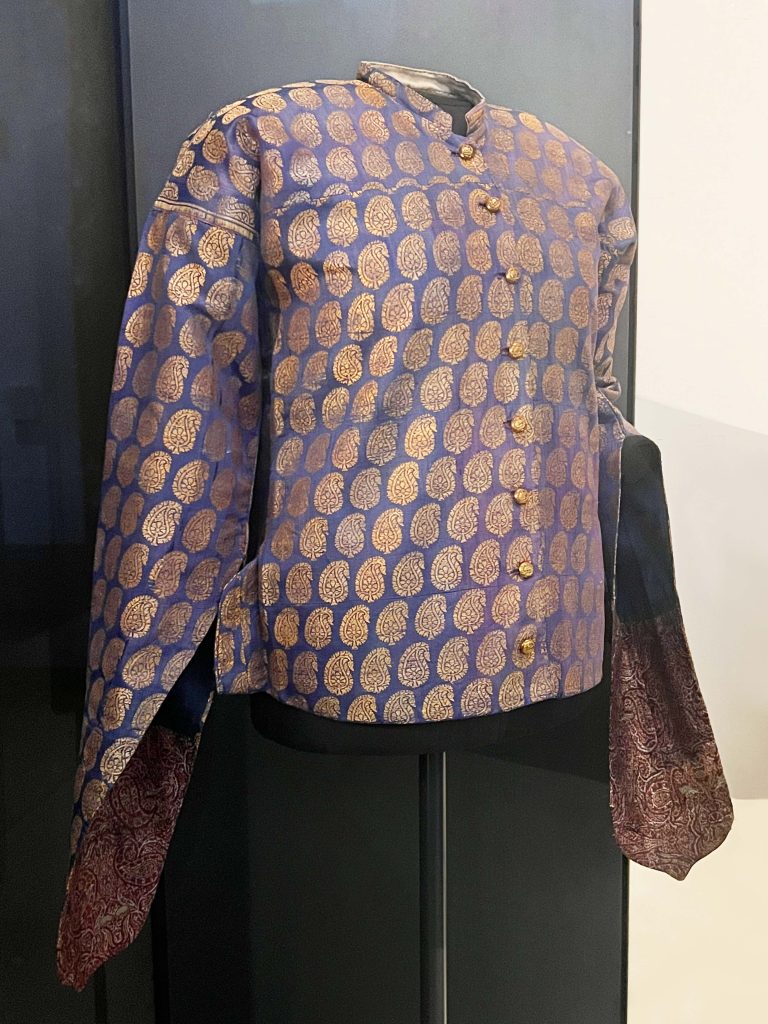
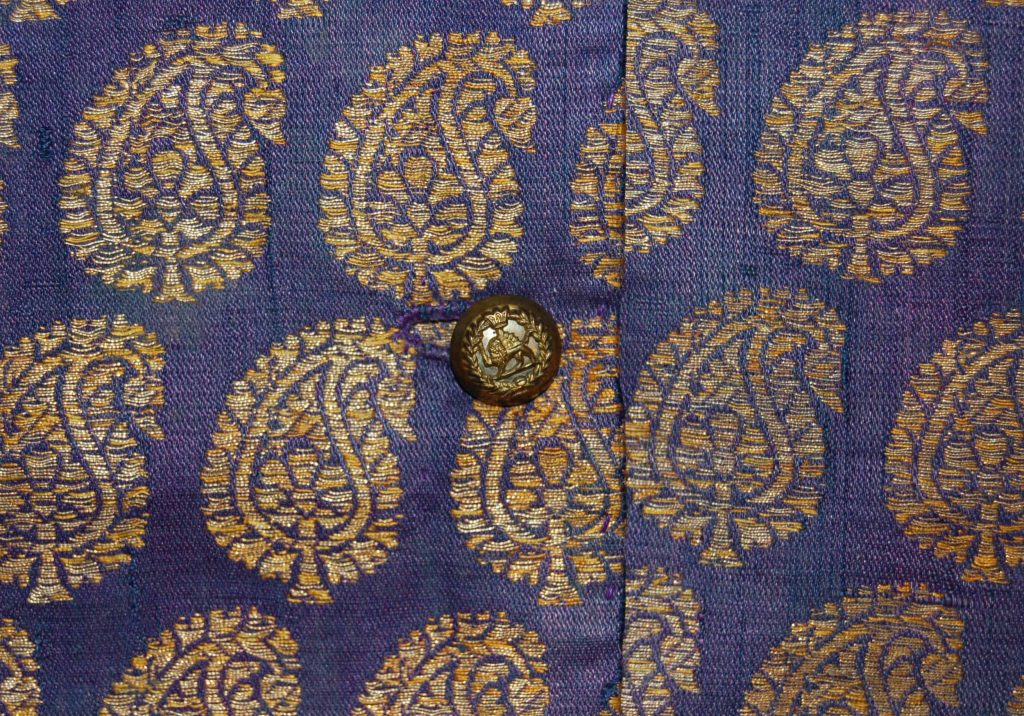
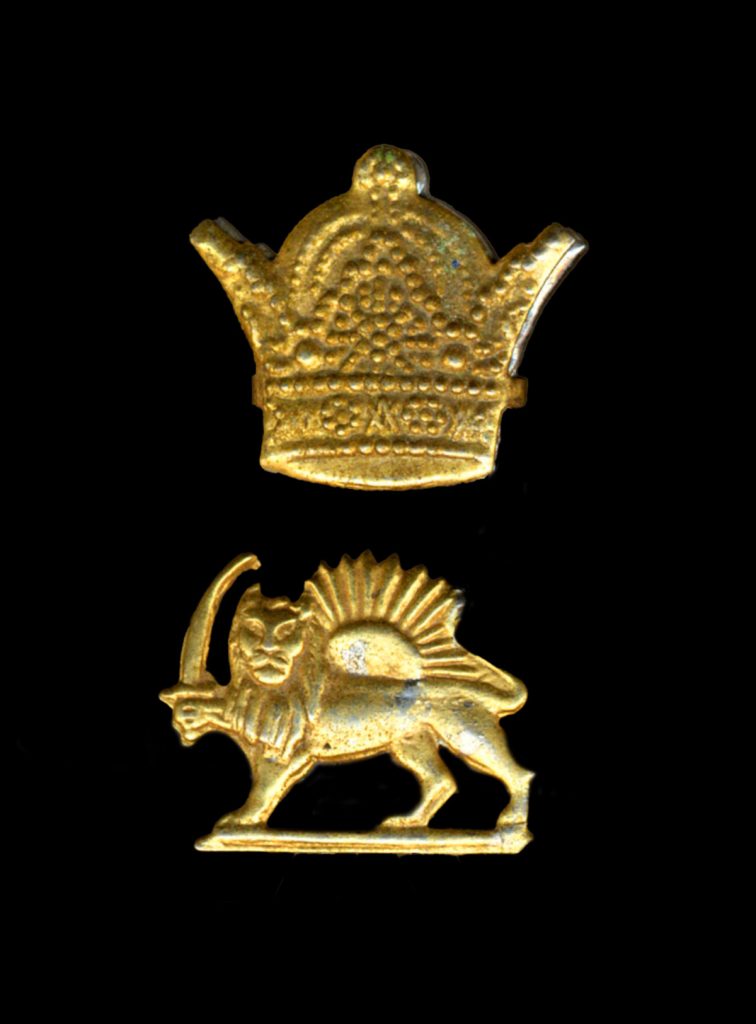
Enhancing the garment’s royal grandeur are the brass buttons, each meticulously etched with the iconic Shir-o-Khorshid ( Persian: شیر و خورشید)—the “Lion and Sun” motif. This emblem, depicting a majestic lion beneath a radiant sun, was a powerful symbol of royalty, strength, and sovereignty during the Qajar era. The presence of these buttons elevates the jacket beyond mere attire, imbuing it with a sense of authority and cultural prestige. They serve as silent heralds of the wearer’s status, a subtle yet unmistakable reminder of societal hierarchy and power.
| Element | Symbolism |
|---|---|
| Purple Silk | Royalty, luxury |
| Gold Paisley Motifs | Life, eternity |
| Shir-o-Khorshid Buttons | Royalty, power |
As one marvels at the exquisite brocade jacket, one can’t help but imagine the rhythmic melody of the loom, the skilled hands that meticulously wove the gold threads into the purple silk, and the cultural narratives skilfully etched into every motif. This jacket is a historical artefact that embodies the artistic mastery, sartorial tastes, and societal norms of the Qajar period. The richness of its design and the craftsmanship it showcases is a testament to a time when clothing was an art form, an identity, and a language in itself.
The Velvet Jacket: A Testament to Persian Craftsmanship and Elegance
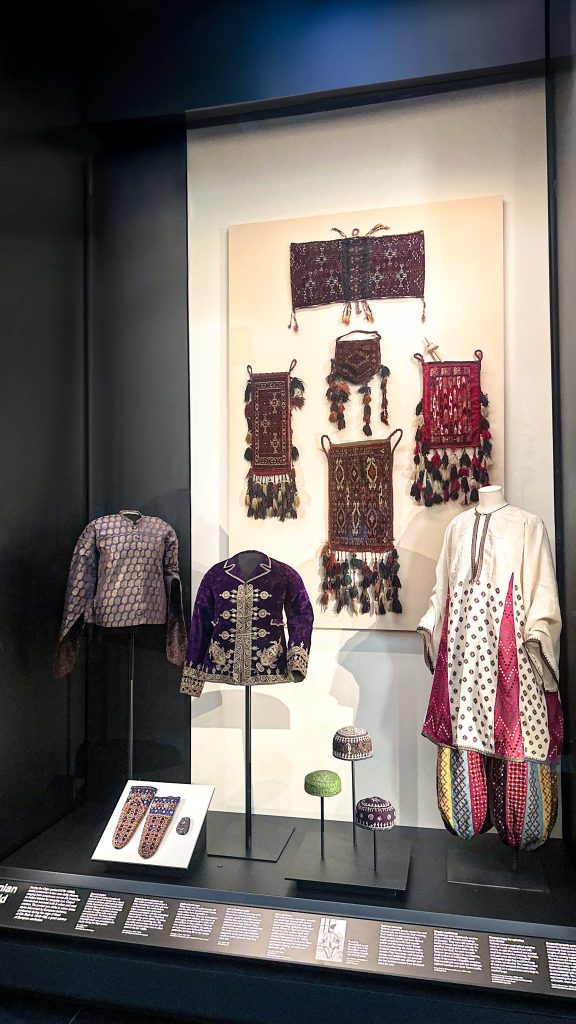
Among the many treasures of Persian fashion history, the purple velvet jacket stands as an embodiment of refined taste and artisanal brilliance. This luxurious garment, lined with light green glazed cotton, captures the essence of Persian sartorial excellence, blending the richness of materials with intricate craftsmanship. Worn as both a symbol of status and a canvas of cultural expression, the jacket offers a glimpse into the artistic ingenuity of Persian artisans during a transformative period in fashion history.
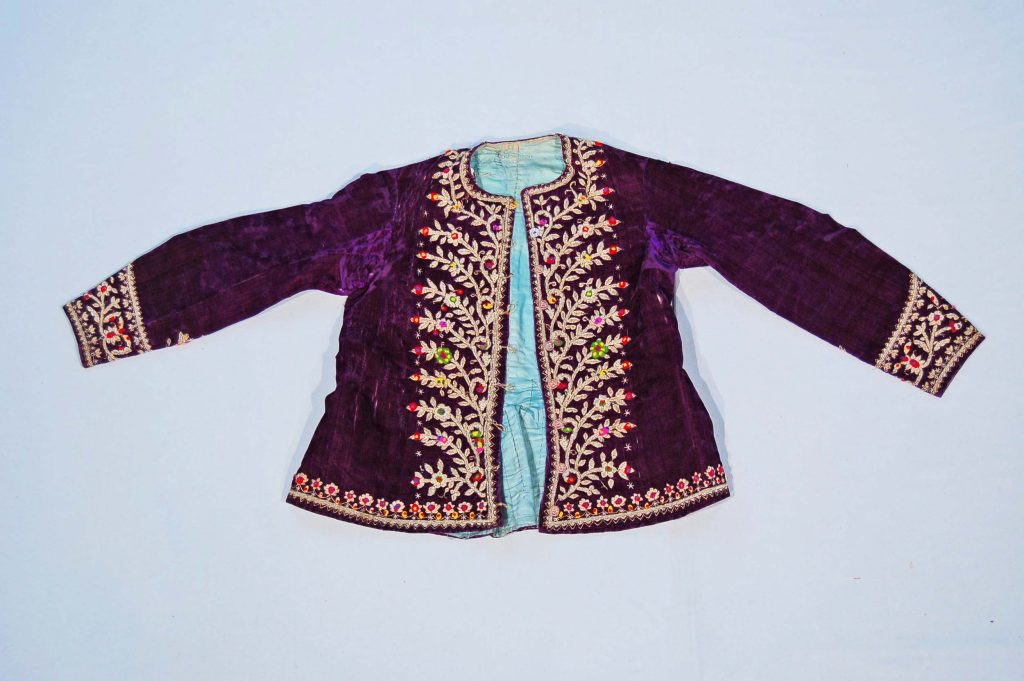
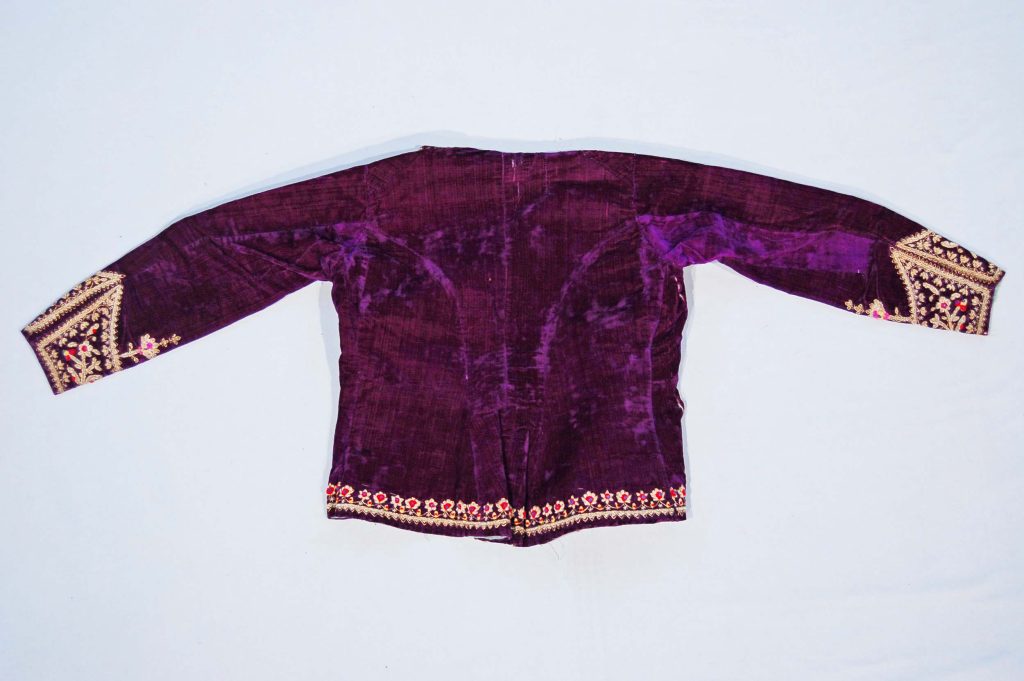
Originating from Iran, the jacket is a visual delight, crafted from sumptuous velvet and decorated with elaborate metal thread embroidery. The lustrous metallic threads, likely silver or gold gilt, form delicate, flowing designs that shimmer against the deep purple fabric, creating a striking contrast. These intricate patterns, painstakingly embroidered by skilled hands, reflect not only the attention to detail characteristic of Persian craftsmanship but also the cultural significance embedded in every stitch.
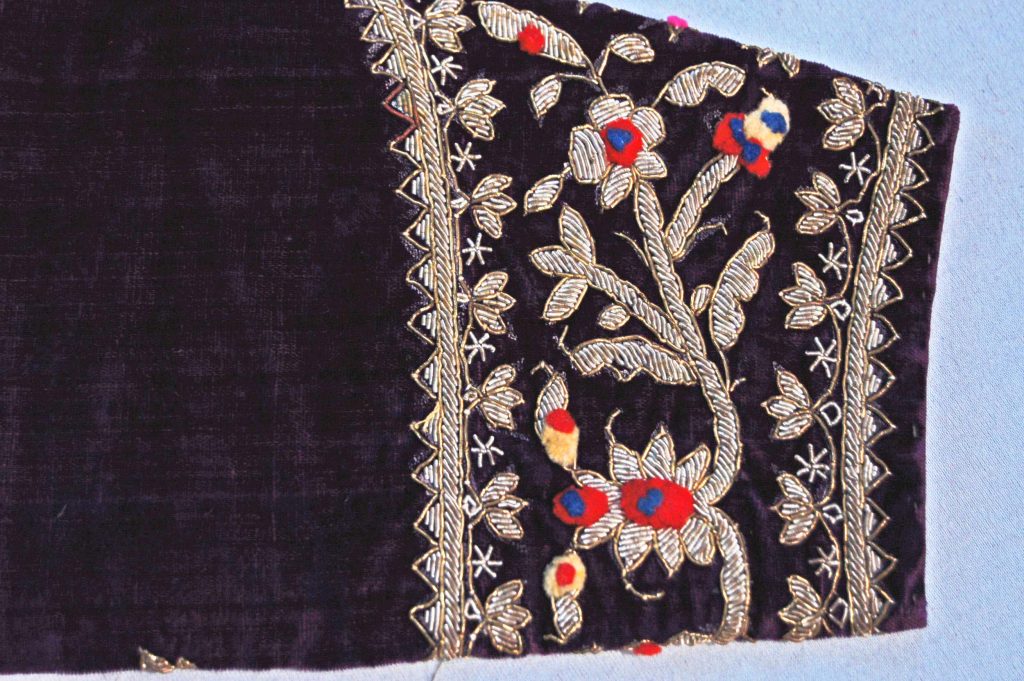
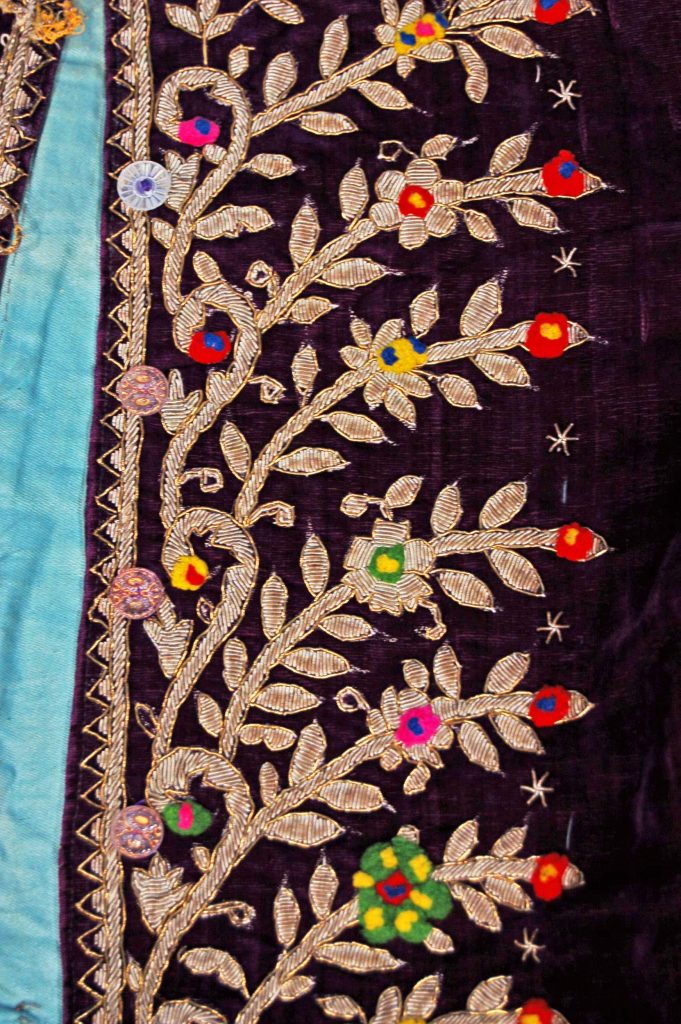
Enhancing the jacket’s unique aesthetic are the playful coloured woollen bobbles that adorn its surface. These vibrant, textured accents add a whimsical element to the garment, highlighting the Persian tradition of infusing even formal attire with joyful embellishments. The bobbles, set against the opulence of the velvet and metal embroidery, create a harmonious blend of elegance and liveliness, demonstrating the versatility and creativity of Persian textile design.
The Velvet Peacock Jacket: A Masterpiece of Persian Fashion Artistry
This stunning purple velvet jacket, adorned with intricate woven designs of peacocks and vibrant flower sprays, is a testament to the opulence and craftsmanship that defined Persian fashion history. Every inch of this garment showcases the skill and artistry of its makers, with each design element carefully chosen to reflect both the natural world and cultural symbolism. The peacocks—symbols of beauty, immortality, and nobility—grace the fabric alongside colorful floral motifs, creating a visual symphony that captures the viewer’s imagination.
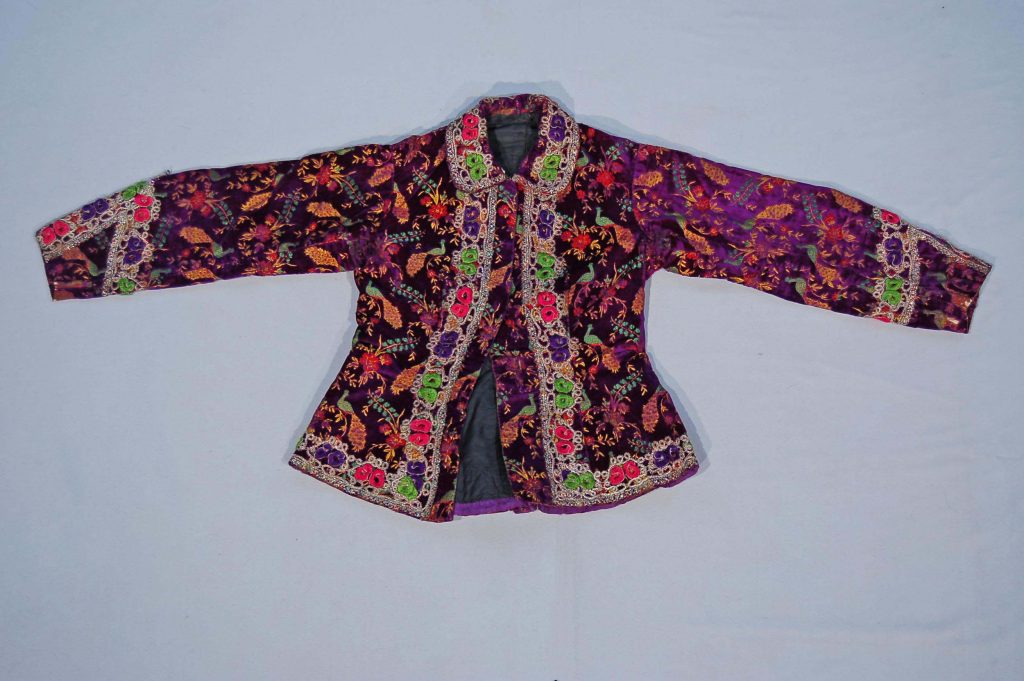
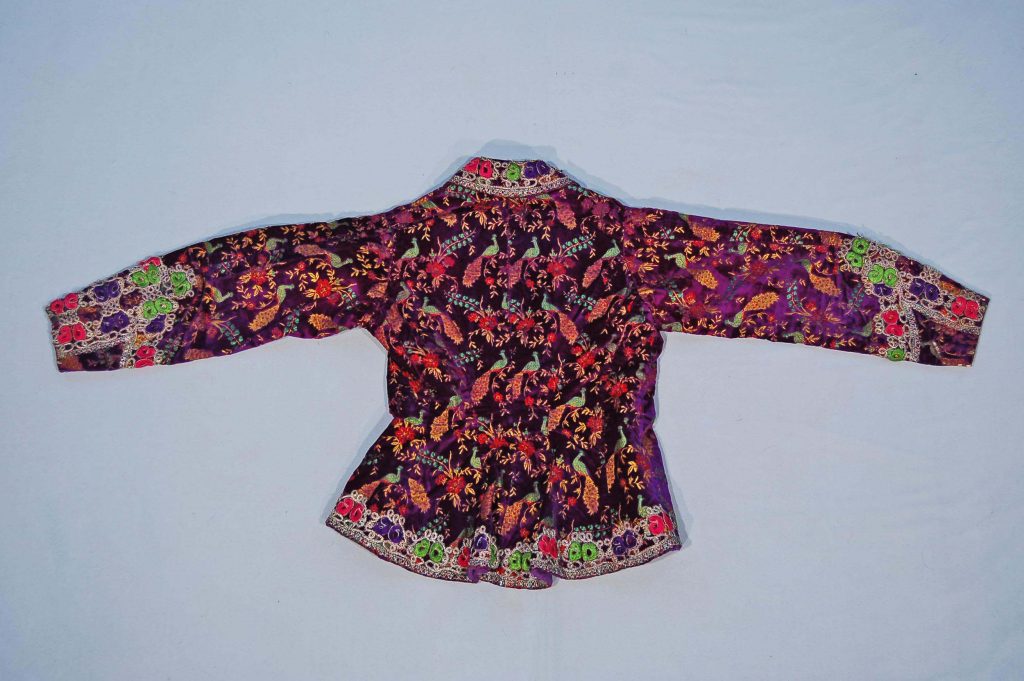
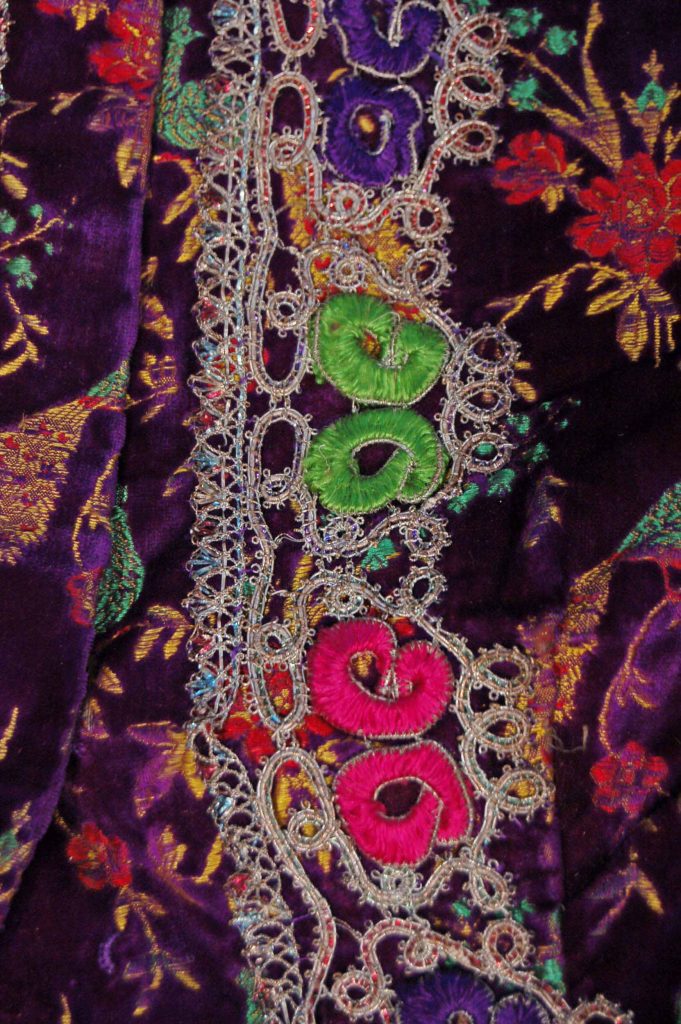
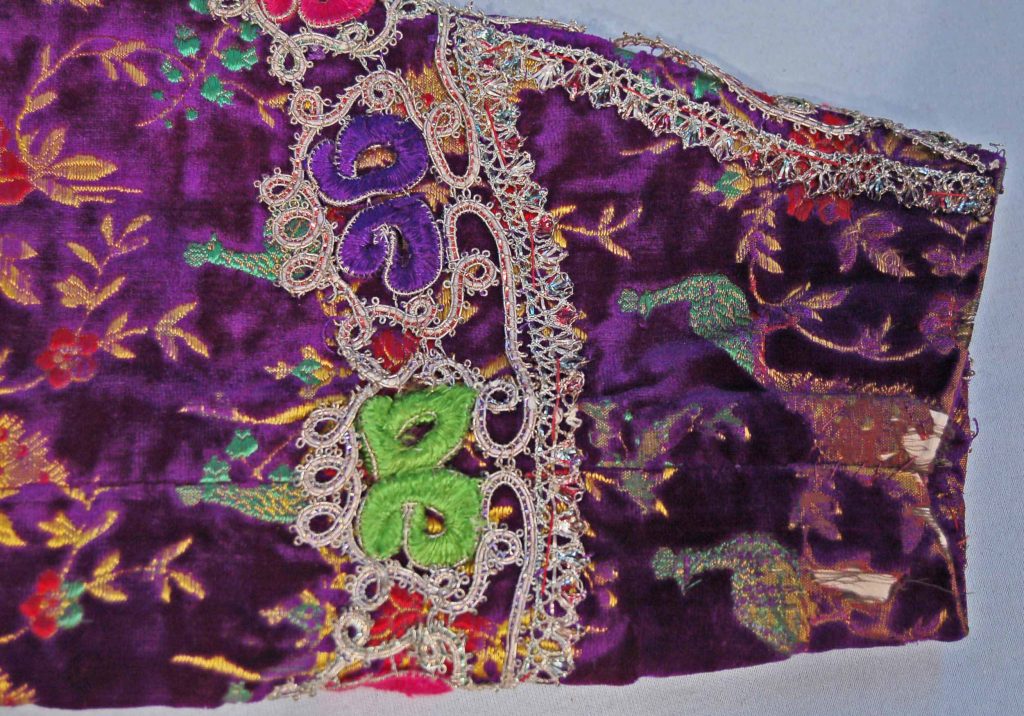
The jacket’s edges, hem, collar, and cuffs are further enhanced by intricate embroidery and couched designs, elevating the piece to a new level of refinement. Couching, a decorative technique where threads are laid on the surface and stitched into place, adds texture and depth to the jacket, ensuring that the elaborate patterns stand out against the luxurious purple velvet. This combination of woven artistry and meticulous embroidery makes the jacket a true masterpiece of Persian sartorial tradition.
Bridal Attire in Persian Fashion History: The Velvet Jacket and Green Cap
One of the most striking remnants of Persian bridal attire from the late Qajar era is a breathtaking velvet jacket, lavishly adorned and hailing from the culturally rich city of Mashhad. Renowned for its spiritual significance and deep artistic heritage, Mashhad has long been a hub of Persian textile mastery, and this exquisite jacket embodies the city’s renowned craftsmanship. The elaborate embroidery and distinctive motifs adorning the garment serve as a vivid testament to the region’s artistry and the cultural opulence of the time.
Crafted from plush, luxurious velvet, the jacket radiates a sense of regality and warmth, encapsulating the richness of Persian aesthetics in both texture and design. Its deep hues are brought to life by intricate silver gilt cord embroidery, a dazzling contrast that highlights the garment’s sumptuous fabric. The skill and dedication of the Mashhadi artisans are palpable in every detail, from the sweeping patterns to the delicate threading.
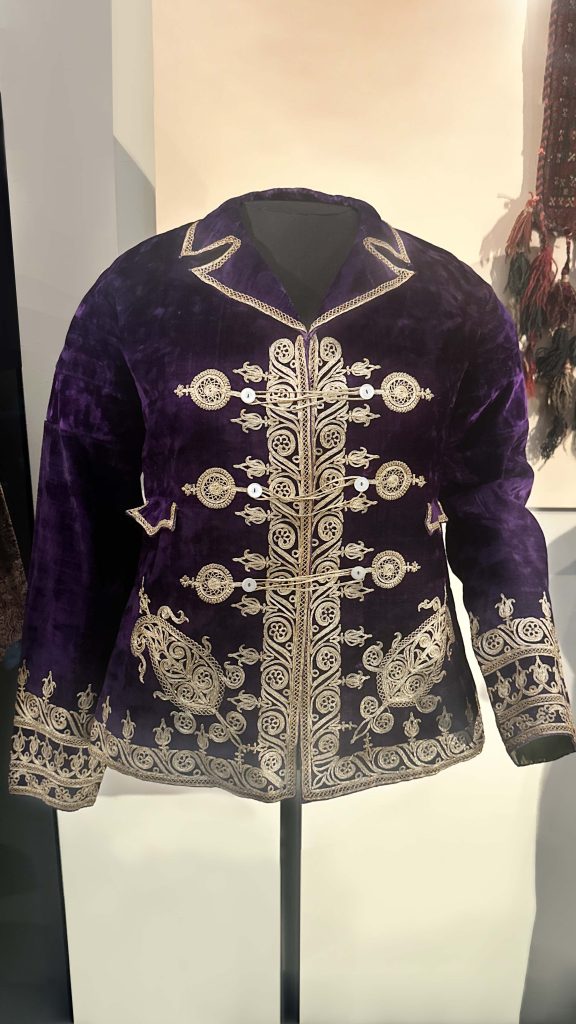
The jacket is a visual symphony of symbols and designs, featuring radiant tulips and pomegranate motifs. In Persian culture, tulips represent love and eternity, while pomegranates symbolize prosperity and fertility—fitting metaphors for a bridal garment that encapsulates the hopes and dreams of a couple beginning their journey together.
| Motif | Symbolism |
|---|---|
| Tulips | Love, eternity |
| Pomegranates | Prosperity, fertility |
Accompanying the jacket is a matching green cap, echoing the jacket’s vibrant hue and intricate embroidery. Lined with taffeta, the cap reflects the harmonious blend of Persian traditions and European influences that began to shape the fashion landscape in urban Iran during the late 1800s.
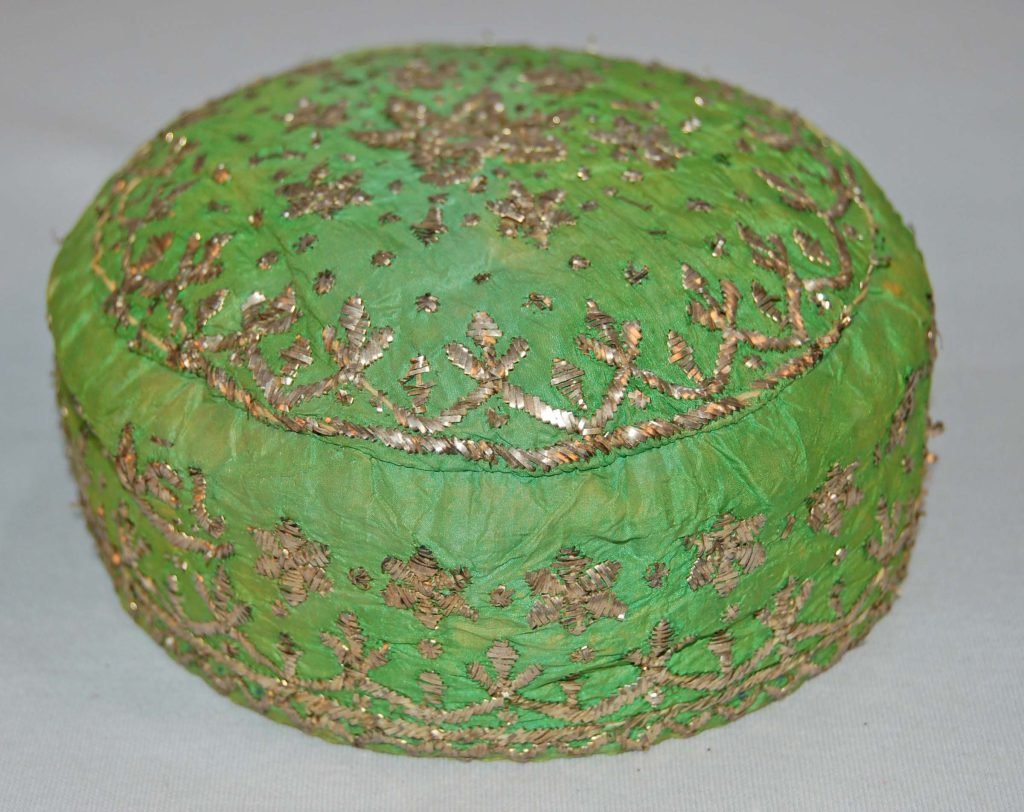
While distinctly Persian in its craftsmanship, the ensemble’s cut, collar, and pockets reveal a subtle shift towards European styles. This fusion of East and West reflects an era of cross-cultural exchange, where Persian attire retained its traditional roots while embracing foreign influences, creating a unique aesthetic that balanced global awareness with cultural heritage.
Embroidered Caps: Protective Symbols in Persian Fashion History
Persian caps, charming relics of a bygone era, offer a window into the rich cultural and spiritual life of the Iranian people. Once an essential part of everyday dress for men, women, and children alike, these caps transcended social and gender boundaries, symbolising a shared heritage across all walks of life.
Crafted from luxurious materials like quilted purple silk and termeh (Persian: ترمه) woollen fabric, these caps often hailed from the region of Azerbaijan or northwestern Iran. Their exquisite craftsmanship shines through in the intricate embroidery that adorns each piece, transforming these humble accessories into wearable works of art.
The embroidered patterns were far from decorative—they carried deep symbolic meanings. Using techniques like the buttonhole or “bird’s eye” stitch, artisans wove intricate designs that represented protection, longevity, and spiritual connection. These motifs reflected the Iranian people’s profound ties to the metaphysical, embedding cultural and spiritual beliefs into the very fabric of everyday life.
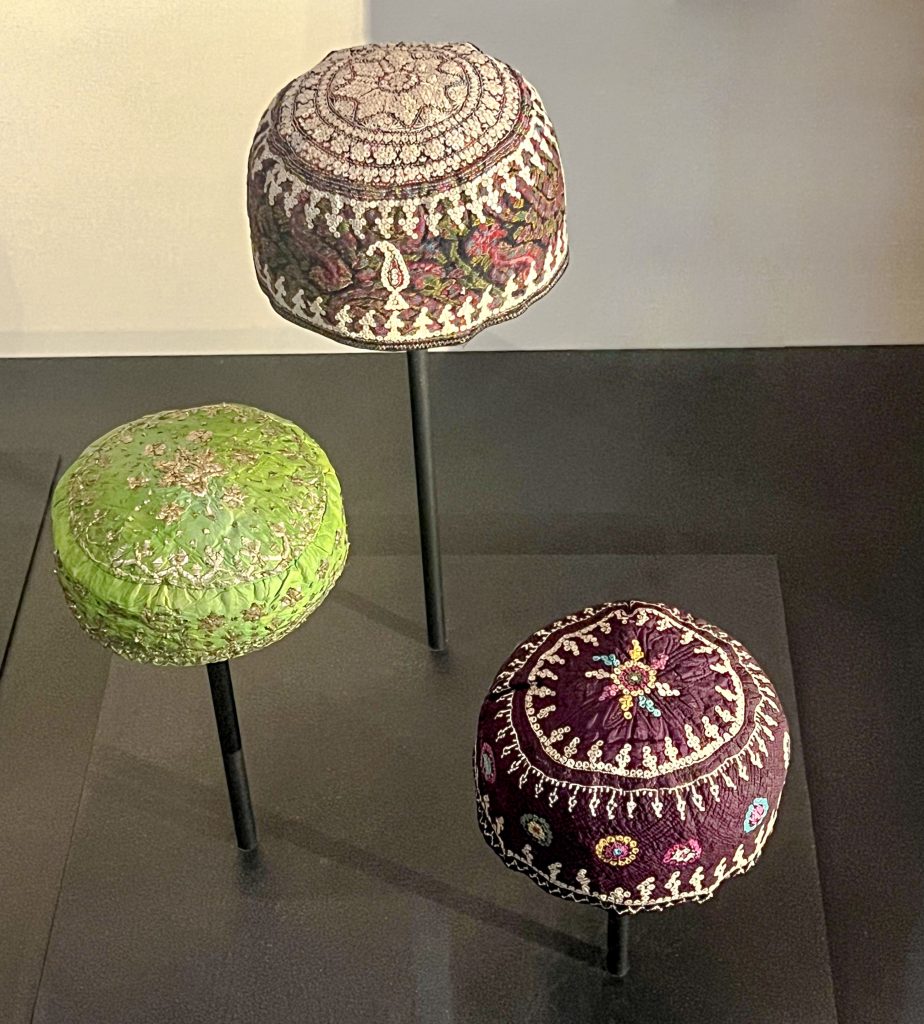
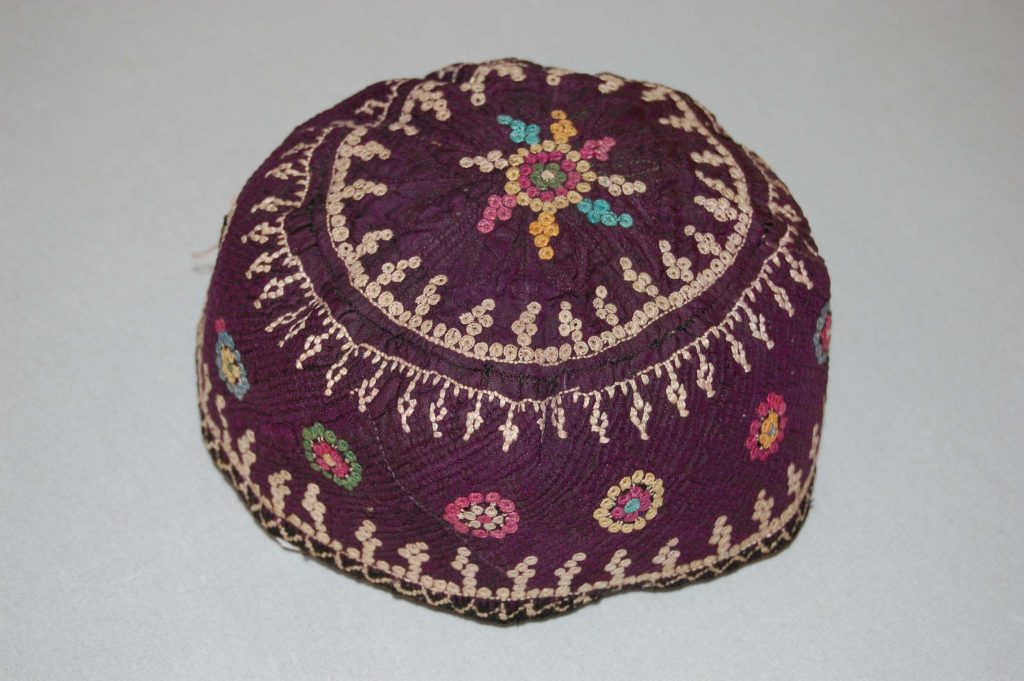
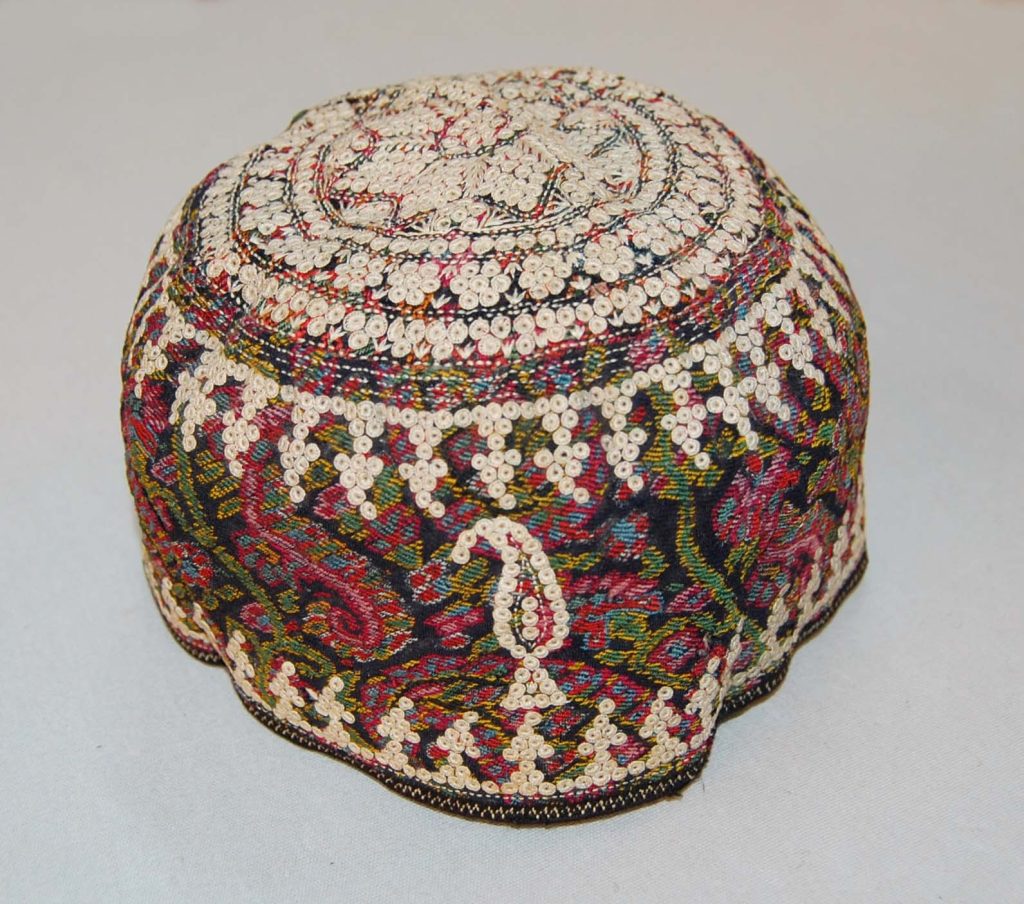
Imagine wearing one of these caps, adorned with protective symbols, creating a sense of safety and well-being. This wasn’t just a sartorial choice but an embodiment of faith and an intimate expression of personal beliefs. The wearer was not just donning a piece of clothing but a spiritual armour, a talisman believed to shield them from negative forces and bestow upon them a long, prosperous life.
| Feature | Description |
|---|---|
| Materials | Quilted silk, termeh woollen fabric |
| Origin | Azerbaijan, Northwestern Iran |
| Stitching Techniques | Buttonhole stitch, ‘bird’s eye’ stitch |
| Symbolism | Protection, longevity |
Such was the deeper, almost sacred significance of these embroidered caps. They offer a profound understanding of the multifaceted roles that clothing played in Iranian society, not merely serving practical purposes but also functioning as a powerful medium of spiritual and symbolic expression.
The Kohl Surmedan: A Reflection of Accessories in Persian Fashion History
One of the lesser-known yet equally captivating aspects of Persian sartorial elegance is found in the realm of accessories, where the kohl container, or surmedan ( Persian: سرمهدان), stands as a testament to the meticulous craftsmanship that defines Persian fashion history. The surmedan is far more than a simple container—it is a vessel of beauty, encapsulating the essence of Persian aesthetics through its intricate design and decoration. Used to store kohl, a cosmetic valued for both its beautifying and protective properties, the surmedan embodies the fusion of utility and artistry that lies at the heart of Persian design principles.
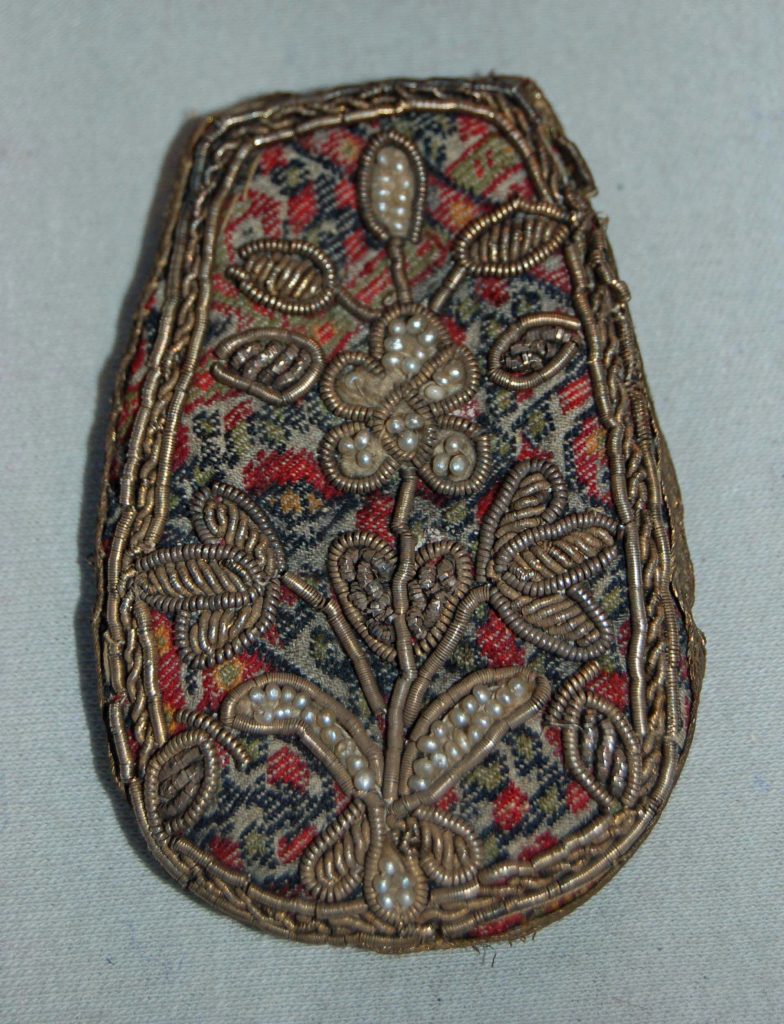
Wrapped in luxurious termeh cloth, a finely woven textile from Yazd and Kerman, the surmedan becomes a portable work of art. Termeh, known for its intricate patterns and luxurious texture reminiscent of Kashmiri shawls, adds an additional layer of beauty and sophistication to the piece. The detailed motifs and the elegance of the fabric elevate the surmedan from a functional object to a symbol of Persian artistry, reflecting the same high standards of craftsmanship that permeated all aspects of Persian fashion.
Adding to its allure, the surmedan is adorned with delicate silver gilt thread work, a technique where fine silver threads are coated in gold to create a radiant, shimmering effect. The intricate couching technique used to apply these threads showcases the painstaking craftsmanship of the artisans, with each stitch revealing an astonishing level of detail and precision. As light dances across the surface, the surmedan glimmers softly, evoking the sparkle of a hidden jewel.
| Feature | Description |
|---|---|
| Material | Termeh cloth, silver gilt thread |
| Decorative Elements | Couching work, seed pearls |
| Purpose | Holding kohl for eye makeup |
| Symbolism | Beauty, craftsmanship |
To further elevate its beauty, the surmedan is embellished with tiny seed pearls, long regarded as symbols of purity and innocence. Each pearl is carefully placed, lending the container a soft, luminous quality. These fine details transform the surmedan from a functional accessory into a luxurious piece of art, an embodiment of Persian elegance and refinement.
Knitted Socks: The Cultural Signature in Persian Fashion History
As we delve deeper into the cultural fabric of Persian society, we encounter an unexpectedly fascinating element of personal attire that offers rich insights into the sartorial and social customs of the time—the humble sock. Though it may seem an unlikely protagonist in the grand narrative of Persian fashion history, the intricately patterned and vibrantly coloured socks of the era stand as expressive artefacts, bearing the subtle imprints of cultural identity and craftsmanship.
In a society where it was customary to remove shoes when entering homes or mosques, socks were often on full display rather than hidden beneath layers of footwear. This practice elevated the sock to more than just a practical garment—it became a canvas for showcasing personal style, artisanal skill, and even social standing. The status of socks grew to that of a fashion statement, providing Iranians with the opportunity to flaunt the vibrant textiles and intricate knitting techniques that were hallmarks of Persian craftsmanship. Through these delicate, colourful creations, even the most everyday item became a reflection of individuality, artistry, and cultural pride.
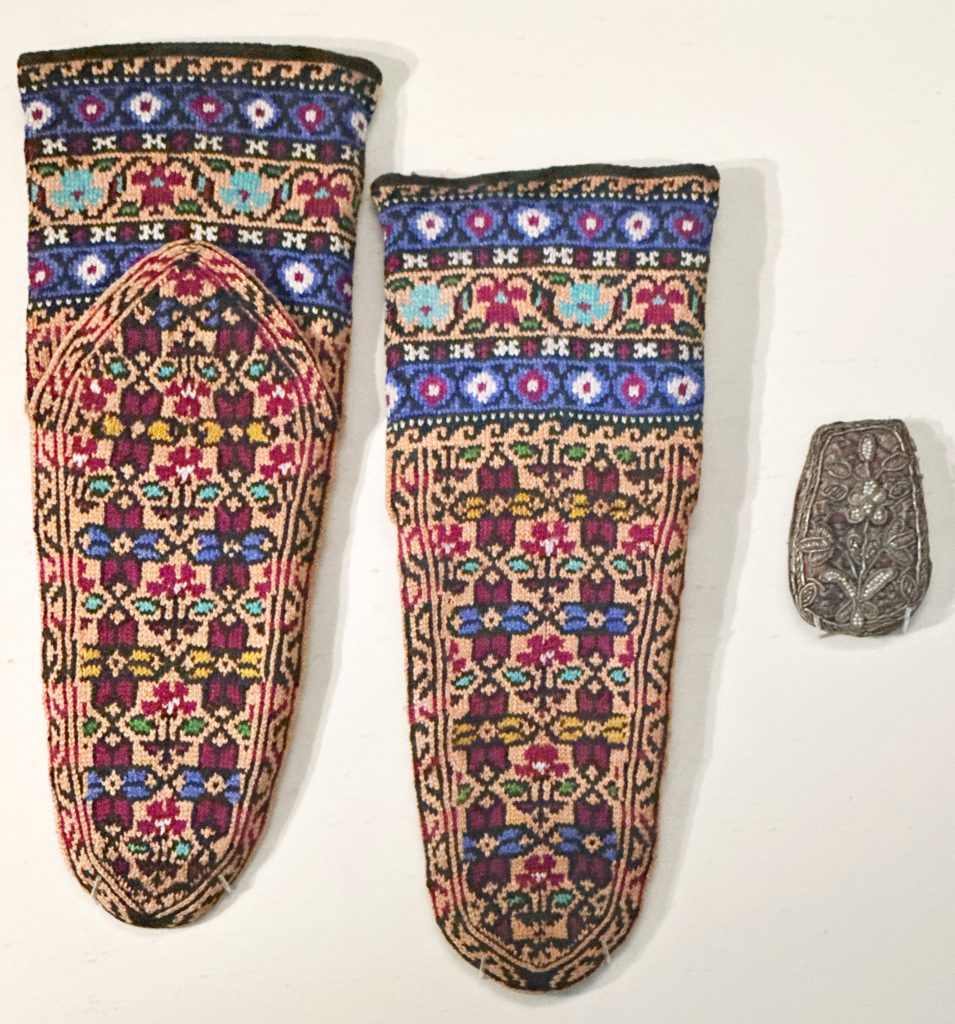
These socks, meticulously crafted from fine silk threads, showcased a riot of colours and patterns. Artisans would begin the knitting process from the toe and work their way upwards, a distinctive technique that highlighted their proficiency. The elaborate patterns, ranging from geometric designs to floral motifs, rendered each pair unique, transforming them into wearable pieces of art.
One notable aspect of these Persian socks was their practical innovation—the detachable heels. Recognising that the heel was the part most prone to wear and tear, artisans ingeniously made them separately and attached them to the rest of the sock. This way, when a heel wore out, it could be easily replaced without discarding the entire sock—a testament to the Persian knack for practicality and resource conservation.
| Feature | Description |
|---|---|
| Materials | Fine silk threads |
| Knitting Technique | Toe-up knitting |
| Designs | Geometric, floral motifs |
| Innovation | Detachable heels |
This intriguing art form of sock knitting reflects a culture that placed great emphasis on every aspect of attire, no matter how seemingly trivial. It underscores the holistic approach to clothing in Persian society, where every item worn had its significance and room for artistic expression. The knitted socks of this era stand as a vivid symbol of this attitude, a delightful detail in the rich tapestry of Persian fashion history.
Turkmen Weaving: The Nomadic Tapestry in Persian Fashion History
Stepping onto the nomadic trails of Persian textile history, we encounter the distinctive weaving traditions of the Turkmen people, whose artistic legacy stretches across Iran and Central Asia. Rooted in their nomadic lifestyle, the textiles crafted by the Turkmen are not only functional but also deeply reflective of their beliefs, traditions, and the landscapes they call home.
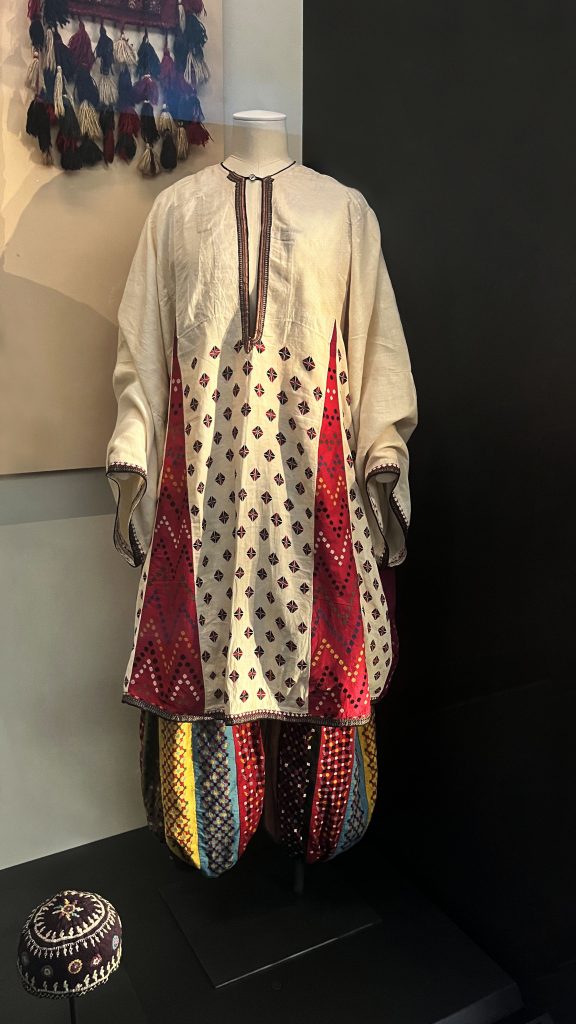
A hallmark of Turkmen weaving is its striking minimalism in colour palette, which lends their creations a powerful, stark beauty. Dyed wools in rich reds, earthy browns, and deep blues dominate their designs, with subtle touches of white and black. This restrained colour scheme mirrors the natural environment they inhabit, transforming their textiles into woven representations of the desert sands, mountain ranges, and the expansive skies above. Through this thoughtful use of colour, the textiles become more than just fabric—they evoke the landscapes that shape their nomadic existence.
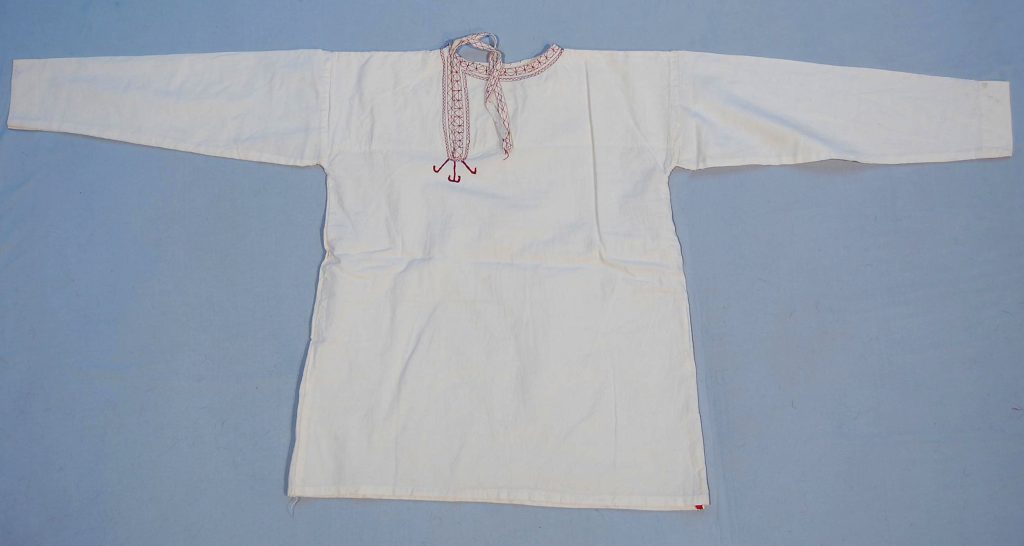
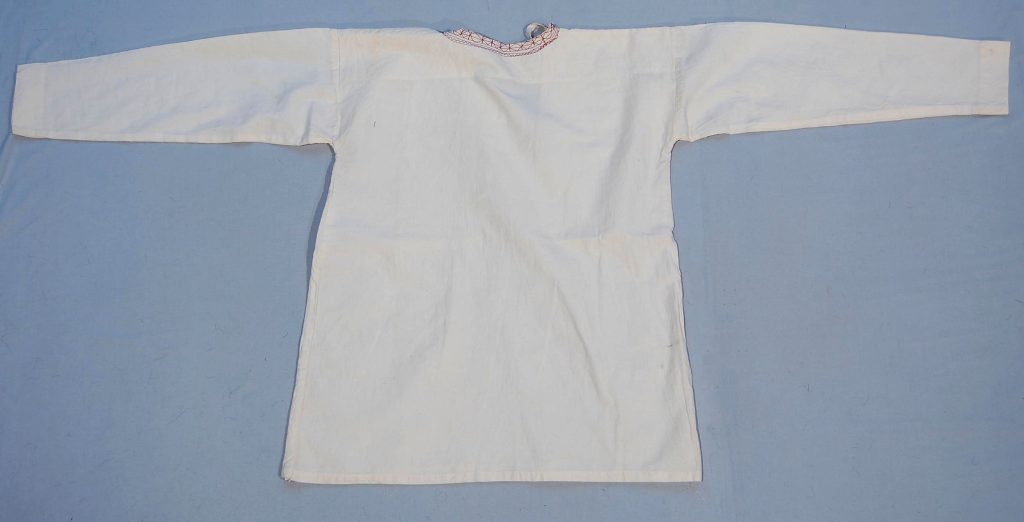
The design motifs within Turkmen textiles are equally rich in symbolism, often featuring stylised representations of the natural world alongside geometric patterns. Every element, from simple shapes to depictions of animals or human figures, forms part of a visual language that narrates the Turkmen people’s cosmic beliefs, tribal history, and daily life. These motifs are not mere decoration; they are woven stories, embodying centuries of cultural heritage and the enduring connection between the Turkmen and the vast, untamed landscapes they traverse.
The weaving process itself speaks volumes about the societal structures of the Turkmen, where the craft was deeply embedded in daily life and cultural identity. Traditionally, the complex and laborious task of creating these textiles—from shearing the wool to spinning, dyeing, and weaving intricate patterns—was carried out by women. With deft hands and generations of knowledge passed down through the ages, they transformed raw materials into beautifully woven pieces such as carpets, wall hangings, storage bags, and saddlebags. Each item was carefully crafted for a functional purpose, reflecting the practical needs of their nomadic lifestyle while also serving as a canvas for artistic expression.
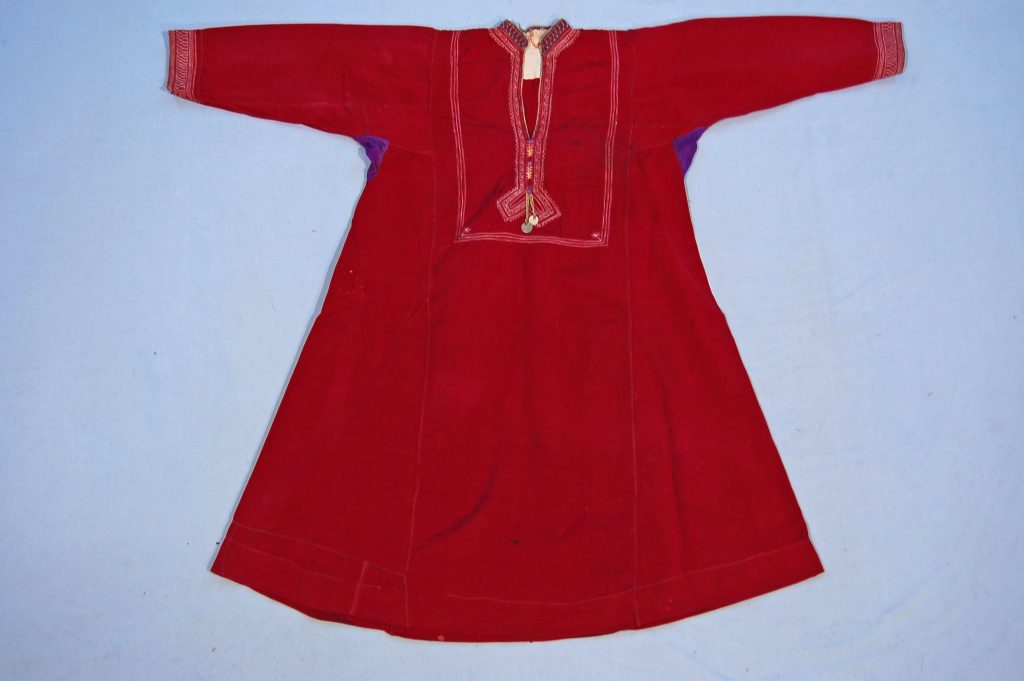
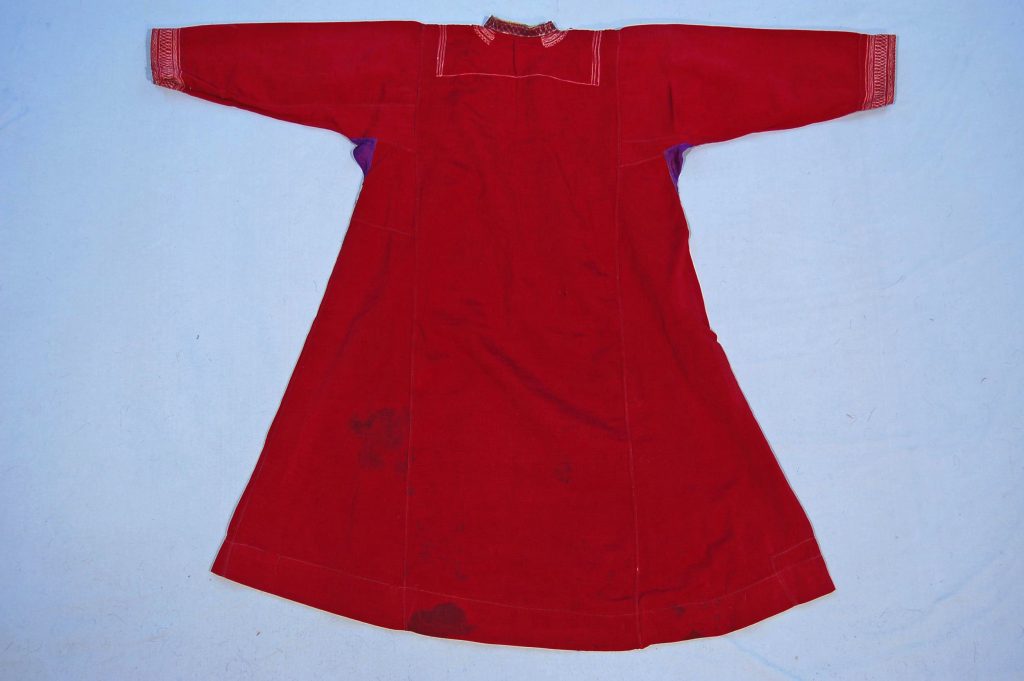
In modern times, Turkmen weaving has evolved to meet the demands of a global market. Many weavers now produce items specifically for sale, tapping into the growing appreciation for handcrafted, culturally significant artefacts. Despite this shift, the essence of their craft remains firmly rooted in their nomadic heritage, with every textile still capturing the unique worldview and spirit of the Turkmen people on its warp and weft.
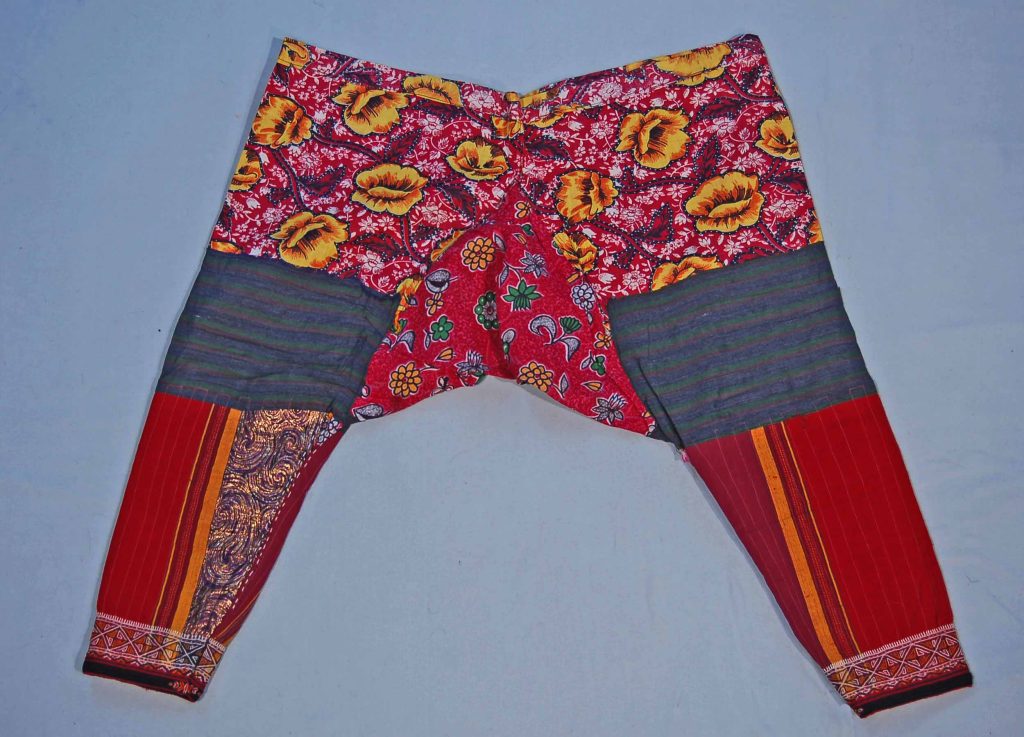
| Aspect | Description |
|---|---|
| Color Palette | Reds, browns, blues, whites, blacks |
| Materials | Dyed wools |
| Motifs | Geometric shapes, natural elements |
| Artisans | Predominantly women |
| Products | Carpets, wall hangings, storage bags |
The legacy of Turkmen weaving is a profound testament to their artistic expression and way of life. It reflects their deep connection to nature, with its earthy hues and symbolic motifs, and highlights the pivotal role of women in preserving and perpetuating this rich cultural tradition. As a vibrant thread in the intricate tapestry of Persian fashion history, Turkmen weaving resonates with the rhythms of nomadic life and carries forward the echoes of a millennia-old legacy.
Bicycle Saddlebags: Adaptation of Tradition in Persian Fashion History
As we navigate the dynamic pathways of Persian fashion history, we encounter the ingenuity and adaptability of the Turkmen nomadic tribes, exemplified in the creation of bicycle saddlebags. This innovative accessory reflects how traditional craftsmanship evolved to meet the changing needs of the time while preserving the cultural essence that defined the Turkmen people.
Historically, saddlebags were indispensable to nomadic families, used to carry belongings during long journeys across the vast, rugged landscapes they traversed. Draped over the backs of horses or pack animals, these bags balanced the load with pouches hanging gracefully on either side. Yet, beyond their practical function, each saddlebag served as a canvas for artistic expression, featuring intricate designs and motifs that spoke of the tribe’s heritage, beliefs, and identity. The careful craftsmanship infused each bag with cultural meaning, blending function with beauty in true Turkmen fashion. In adapting this time-honoured tradition for bicycles, the Turkmen demonstrated a seamless fusion of past and present, blending the artistry of their nomadic roots with the demands of modern mobility.
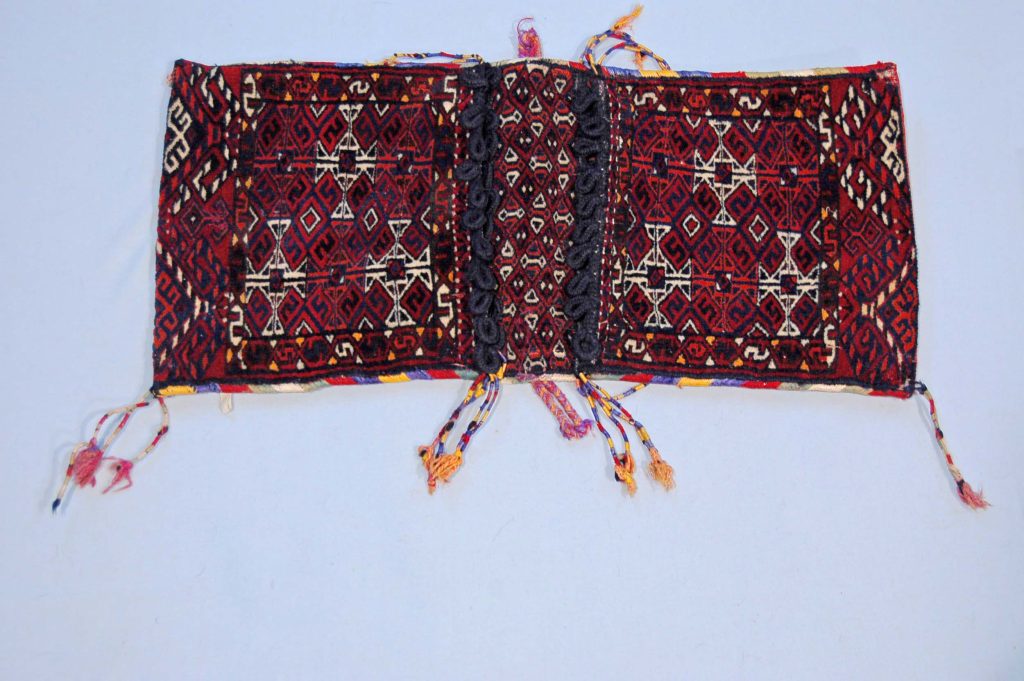
In the 1950s and 1960s, as semi-nomadic Turkmen groups like the Yomut Atabay people began incorporating bicycles into their daily routines, the need to adapt traditional carriers became evident. Ingeniously, smaller versions of the classic saddlebags were crafted to lay across a bicycle’s crossbar, blending practicality with cultural heritage. These knotted-pile bags retained the distinctive stylised rosettes and rams’ horns motifs, deeply symbolic in Turkmen culture—representing beauty, strength, and prosperity.
The bicycle saddlebag is a compelling example of how traditional art forms evolved to meet modern needs without sacrificing their cultural essence. The rosettes, symbolic of the continuity of life and nature’s beauty, reflect the enduring connection to the natural world. The rams’ horns, representing power and masculinity, underscore a sense of strength and resilience. Together, these motifs weave a narrative of adaptability, echoing the nomadic spirit of the Turkmen people. In this way, the bicycle saddlebags became both a functional necessity and a continuation of the Turkmen’s rich artistic and cultural legacy.
Turkmen Storage Bags: Weaving Utility into Persian Fashion History
Delving deeper into the utilitarian aspects of Persian fashion history, we uncover the artful creation of storage bags crafted by Turkmen women. These bags were far more than simple containers; they were intricately designed, reflecting both the artistry and the daily life of the nomadic tribes.
Skilled in spinning and weaving, Turkmen women used spiked wooden spindles weighted with whorls to spin the washed and carded wool that formed the foundation of their textiles. These spindles, along with the spun yarn, were stored in tasselled rectangular bags, which could be conveniently hung up when not in use. Like their woven textiles, these storage bags were crafted with care and adorned with designs and motifs that held cultural significance. The bags served not only a functional purpose but also acted as a canvas for personal expression, tying together everyday utility with the rich symbolism and craftsmanship of the Turkmen people.
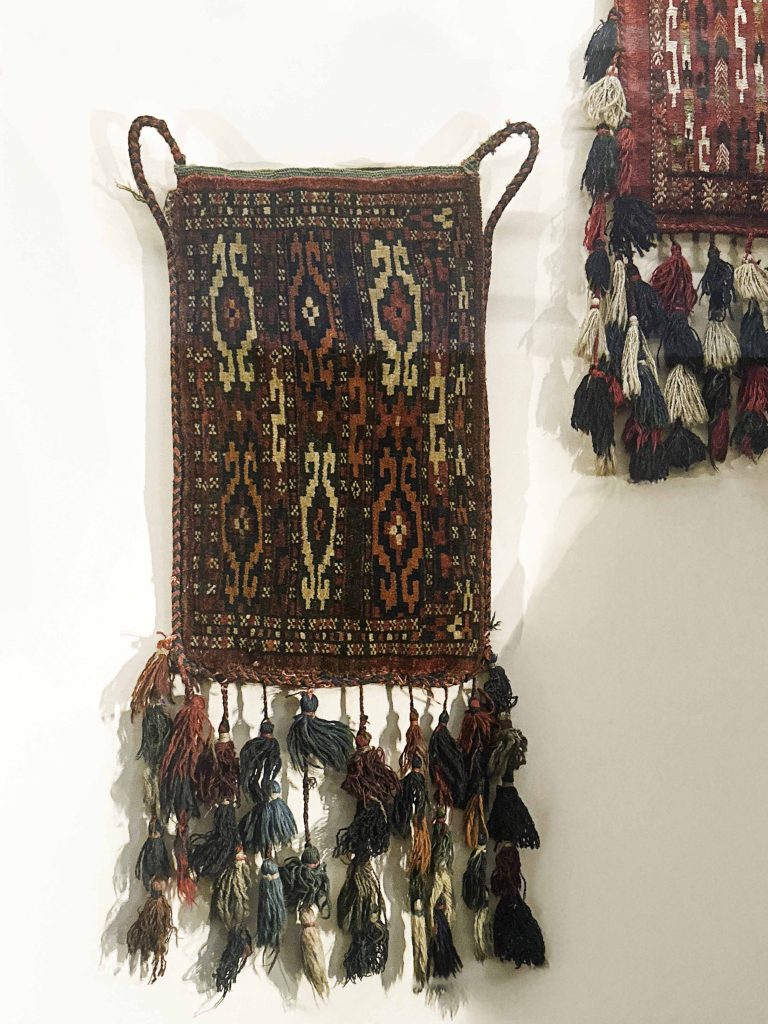
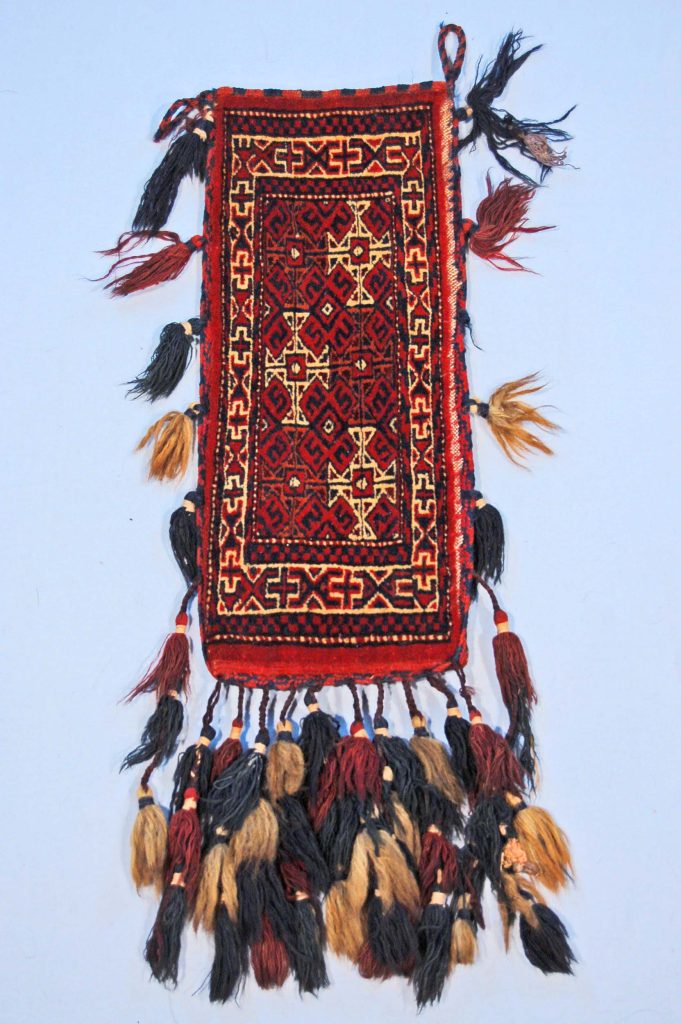
Smaller bags were specifically dedicated to storing combs—essential tools used to beat and compact knots on a carpet loom. The meticulous attention to detail in these bags reflects the significance of every aspect of the weaving process in Turkmen culture. Adorned with intricate patterns and symbols, these bags told stories, preserved traditions, and highlighted the skill of the weaver.
| Item | Description | Period | Cultural Significance | Key Motifs |
|---|---|---|---|---|
| Bicycle Saddlebags | Small saddlebags adapted for bicycles, retaining traditional designs; laid across the bicycle’s crossbar to carry belongings. | 1800s | Showcases adaptation of traditional craft to modern needs. | Stylised rosettes and rams’ horns (beauty, strength, prosperity) |
| Storage Bags | Tasselled bags used by Turkmen women to store spindles and combs essential for weaving; hung up when not in use. | 1600s-1900s | Reflects the artistry in daily life and importance of weaving. | Cultural patterns and symbols |
These storage bags exemplify how everyday objects were transformed into art through the craftsmanship and creativity of Turkmen women. Far from being mere utilitarian items, they offer a window into the lives of these women, whose artistry kept their cultural heritage alive, knot by knot, stitch by stitch. Through these finely woven accessories, we witness the seamless blend of function and beauty that defines the rich tapestry of Persian fashion history.
The Qajar Portrait: Artistic and Historical Grandeur in Persian Fashion History
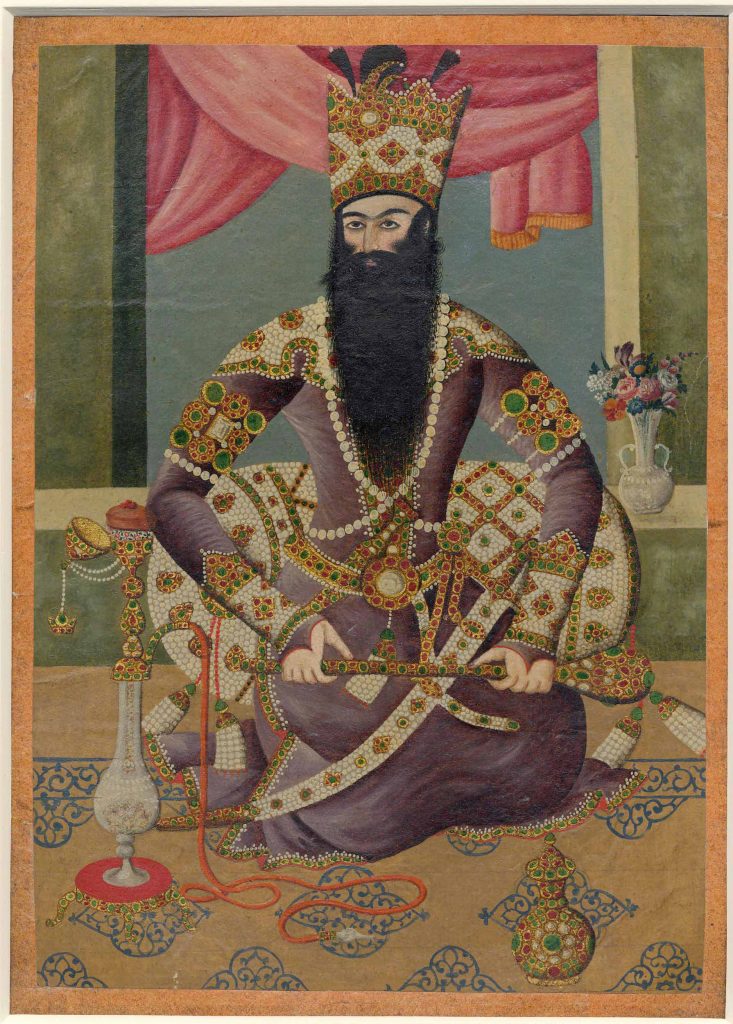
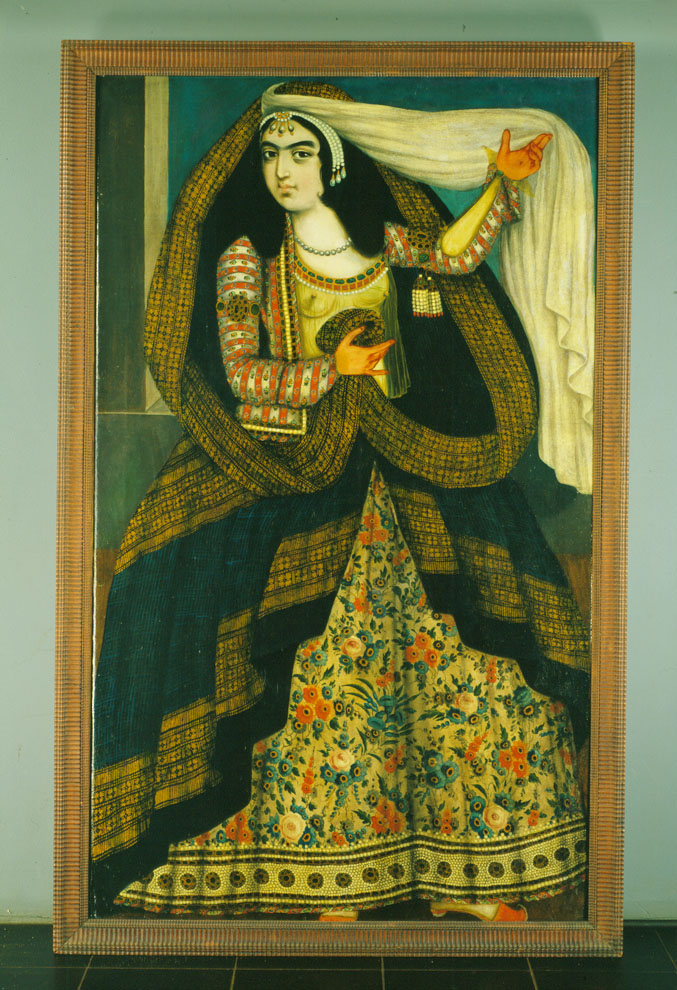
The featured portrait is a stunning example of the life-sized oil-on-canvas paintings that flourished during the Qajar dynasty in Iran, capturing the grandeur and opulence of Qajar court life. These remarkable works, characterised by bold, flat colours and intricate details, were often displayed in the architectural niches of private palaces and residences, offering a vivid glimpse into the luxurious lifestyles of Iran’s ruling elite. This particular painting, originating from Tehran around 1840, was generously bequeathed to the British Museum by Mr. and Mrs. T. Sayid-Ruate in 1947.

At the heart of the portrait stands a prince, resplendent in military attire, his extravagant robe, medals, and ornamental accessories marking him as a figure of significant status. The flamboyance of his clothing is emblematic of the Qajar aesthetic, which celebrated elaborate decoration and sumptuous materials. The robe, woven from rich fabrics and embellished with intricate detailing, is a testament to the refined craftsmanship and sophisticated textile artistry that thrived during the Qajar era. Every fold of the fabric, every glittering accessory, speaks to the culture’s deep appreciation for both beauty and status.
Although the prince’s exact identity remains undetermined, he may well be one of the fifty sons of the influential Qajar ruler Fath Ali Shah (Persian: فتحعلیشاه قاجار), who reigned from 1797 to 1834. Fath Ali Shah was known not only for his immense progeny but also for his patronage of the arts, commissioning countless portraits of himself and his sons to solidify his dynasty’s image. This painting could easily be part of that tradition, a visual narrative celebrating the martial regalia, royal lineage, and political influence of Qajar nobility.
Standing beside the prince is an attendant or page, holding a finely adorned matchlock gun. The gun, with its stock and lock plate meticulously decorated, is more than a symbol of military power; it is also an artistic showcase. Weaponry in Qajar art, especially firearms, often doubled as canvases for showcasing the remarkable skills of Iranian metalworkers and gunsmiths. Adorned with intricate patterns and likely inlaid with precious metals or gems, the gun in this portrait highlights the high-quality decorative arts that flourished during this period, where even instruments of war were transformed into objects of beauty and craftsmanship. Together, the portrait’s subjects, their attire, and the ornate weaponry reflect the cultural richness and artistic sophistication of the Qajar dynasty, offering a window into an era where fashion, power, and artistry were intricately intertwined
| Element | Description |
|---|---|
| Prince’s Attire | Extravagant robe, medals, accessories |
| Attendant | Holds an embellished matchlock gun |
| Artistic Style | Bold colors, flat perspective |
| Symbolism | Royalty, military prowess |
In summary, this portrait, like many others from the Qajar period, offers more than just a visual representation of a prince and his attendant—it is a window into the opulent courtly life of the Qajar dynasty. Through its depiction of distinctive fashion, intricate craftsmanship, and artistic traditions, the painting captures the essence of 19th-century Persia. The elaborate clothing, adorned weaponry, and cultural symbols reflected in the artwork add layers of depth to our understanding of this fascinating era in traditional Persian clothing and art. It serves as both a historical artifact and an artistic celebration of a time when fashion, power, and cultural identity were intricately woven together.
Conclusion: The Legacy of Persian Fashion History in the British Museum’s Treasured Collection
The voyage through the annals of Persian fashion history reveals an exquisite tapestry of cultural creativity, artisanal ingenuity, and diverse sartorial choices. The harmonious blend of time-honoured traditions with modern influences has shaped a rich legacy that continues to influence contemporary fashion on a global scale. Each item of Persian attire, from the majestic brocade jackets of the Qajar era to the practical sophistication of knitted socks, tells a story deeply intertwined with its historical and cultural context.
This journey is like unraveling the threads of a complex, embroidered fabric—each thread representing a distinct era, a social transformation, or a unique creative expression. As these threads weave together, they form a dynamic tableau, one that reflects the ever-changing nature of society and the constant evolution of style and aesthetics. The result is a vibrant and living legacy that continues to inspire and shape the world of fashion today.
The evolution of traditional Persian clothing, encapsulated in each meticulous weave, intricate embroidery, and symbolic motif, transcends the mere chronicle of changing fashion trends. It stands as a testament to a nation’s rich historical journey and resilient spirit—one that has weathered the winds of change and emerged, time and again, with a deepened and more nuanced cultural identity.
The British Museum’s fascinating collection serves as a vital time capsule, preserving this sartorial heritage in all its glory. The artefacts on display offer a unique window into the captivating narratives of Iran’s past and present, allowing us to step into the shoes of our ancestors and catch a glimpse of their world and worldview. Through these pieces, we can trace the threads of history and connect with the lives of those who came before us.
These treasured garments provide not only a visual feast but also a profound insight into the underlying culture, beliefs, and aesthetic ideals that have shaped and continue to shape Persian fashion history. The delicate folds of a brocade jacket, the intricate stitching on a ceremonial cap, the minimalist elegance of Turkmen weavings—each artefact becomes a silent storyteller, narrating tales of past epochs, of lives once lived, and of a civilisation’s journey through the shifting sands of time.
As we explore and admire these timeless pieces, we are, in essence, celebrating the enduring legacy of Persian craftsmanship. We honour the hands that wove stories into fabric, the minds that conceived intricate designs, and the spirits that infused these creations with life. These articles of clothing, rich with history and culture, bear witness to the timeless beauty of traditional Persian attire, the stories it holds, and the countless narratives that continue to be woven into the fabric of its vibrant heritage.
About Craftestan
As you delve deeper into the captivating universe of Persian clothing, you will be confronted with an array of remarkable crafts, each bearing a unique tale of tradition and artistry. While Pateh (Persian: پته) and Termeh (Persian: ترمه) have been the stalwarts of Persian textile art, the tale is far from complete without a mention of the mesmerising accessories that accompany these timeless fabrics.
Each meticulously crafted piece, be it a tie, an earring, a necklace, or a bracelet, is a reflection of the skill and finesse of Persian artisans. These accessories, skilfully created with an amalgamation of threads and beads, are adorned with the intricate embroidery that is synonymous with Persian art. Inspired by the colours and patterns seen in the traditional Pateh and Termeh designs, these accessories serve as miniature canvases depicting Persian tales and traditions.
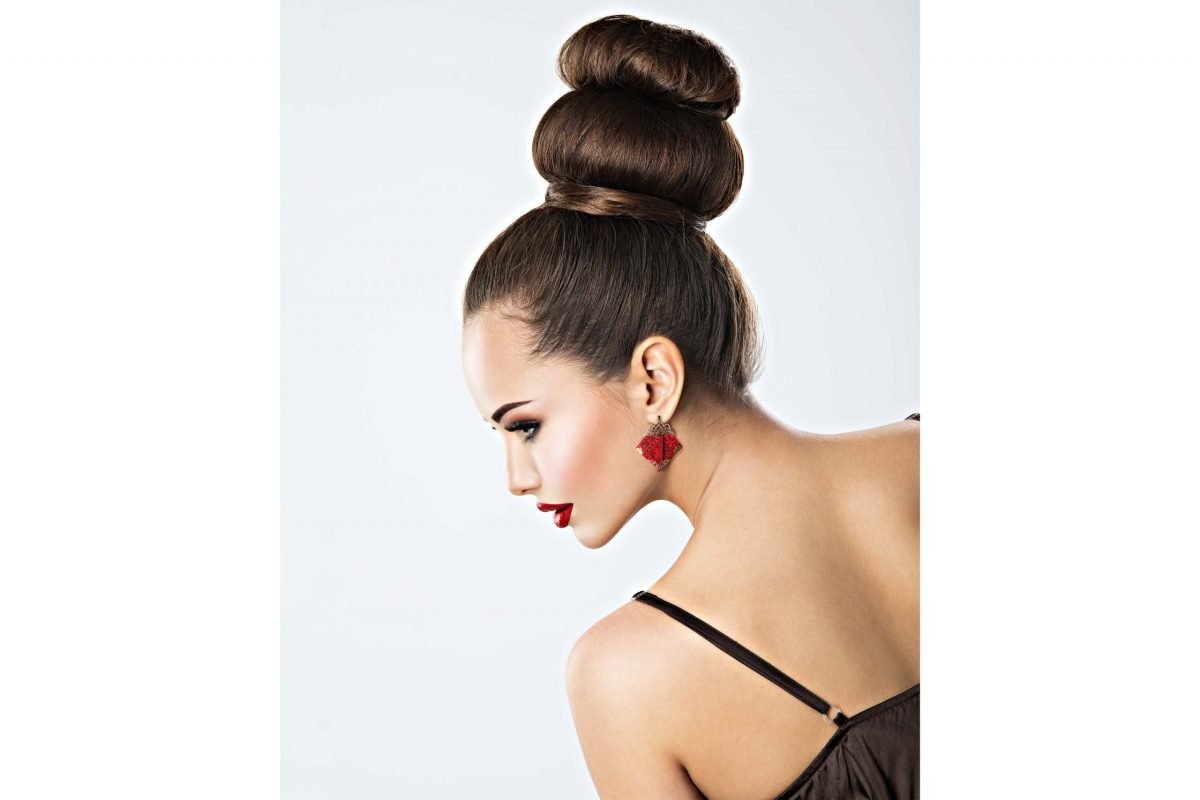
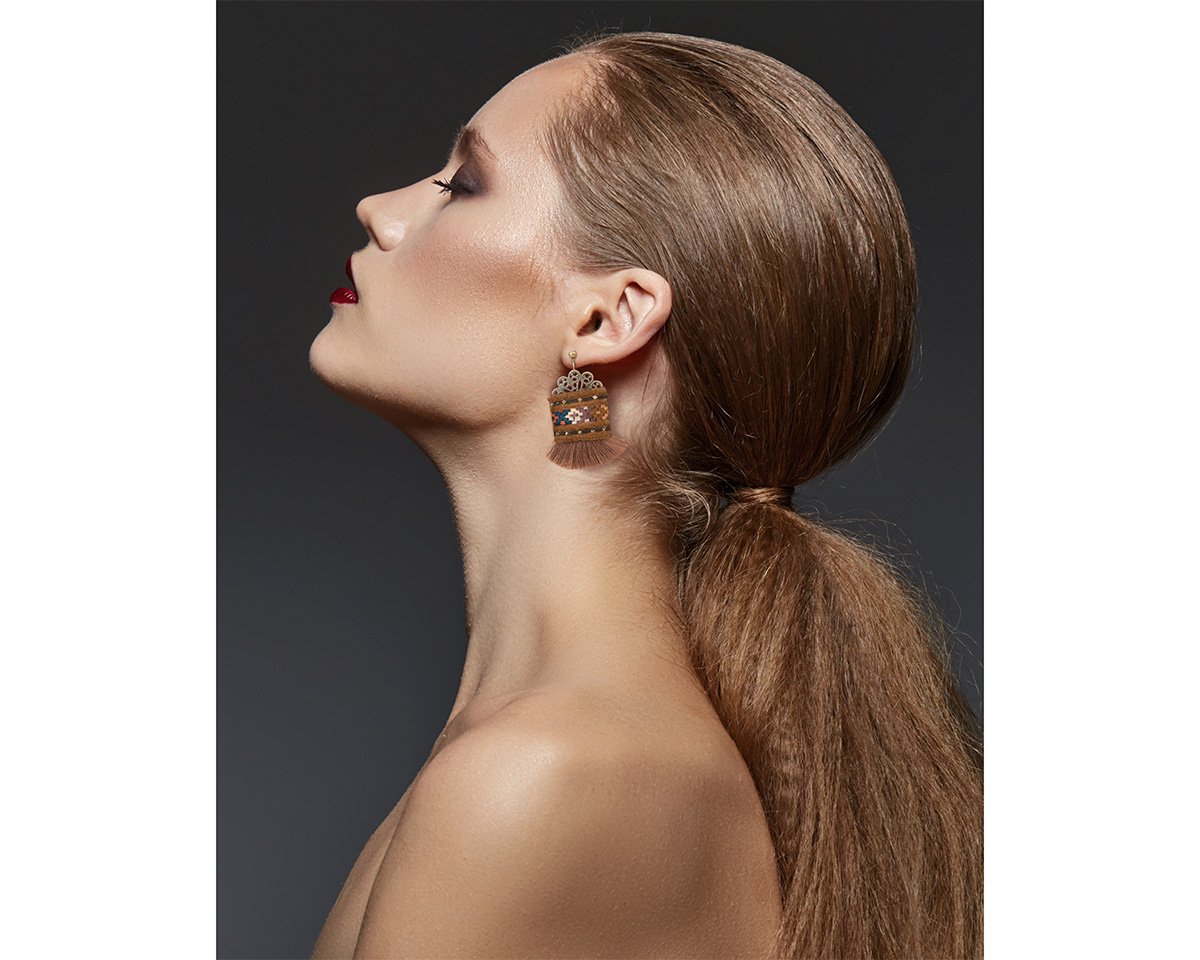

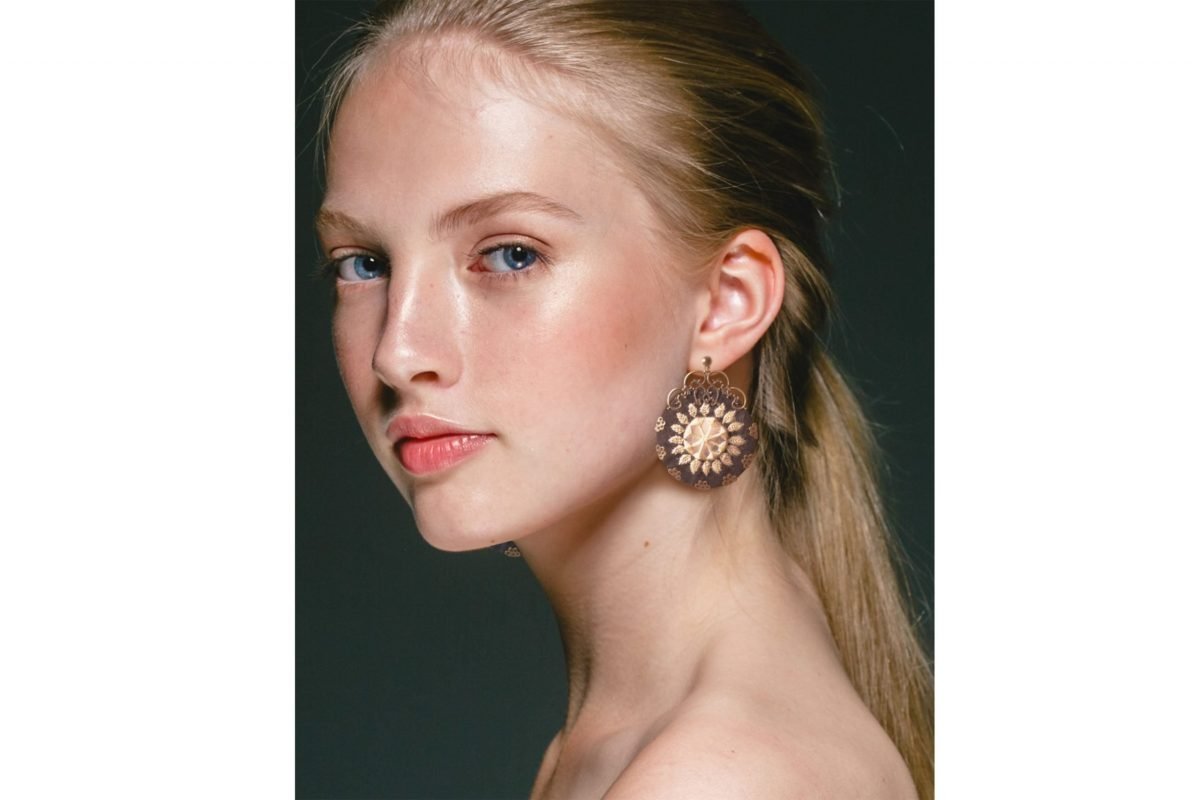

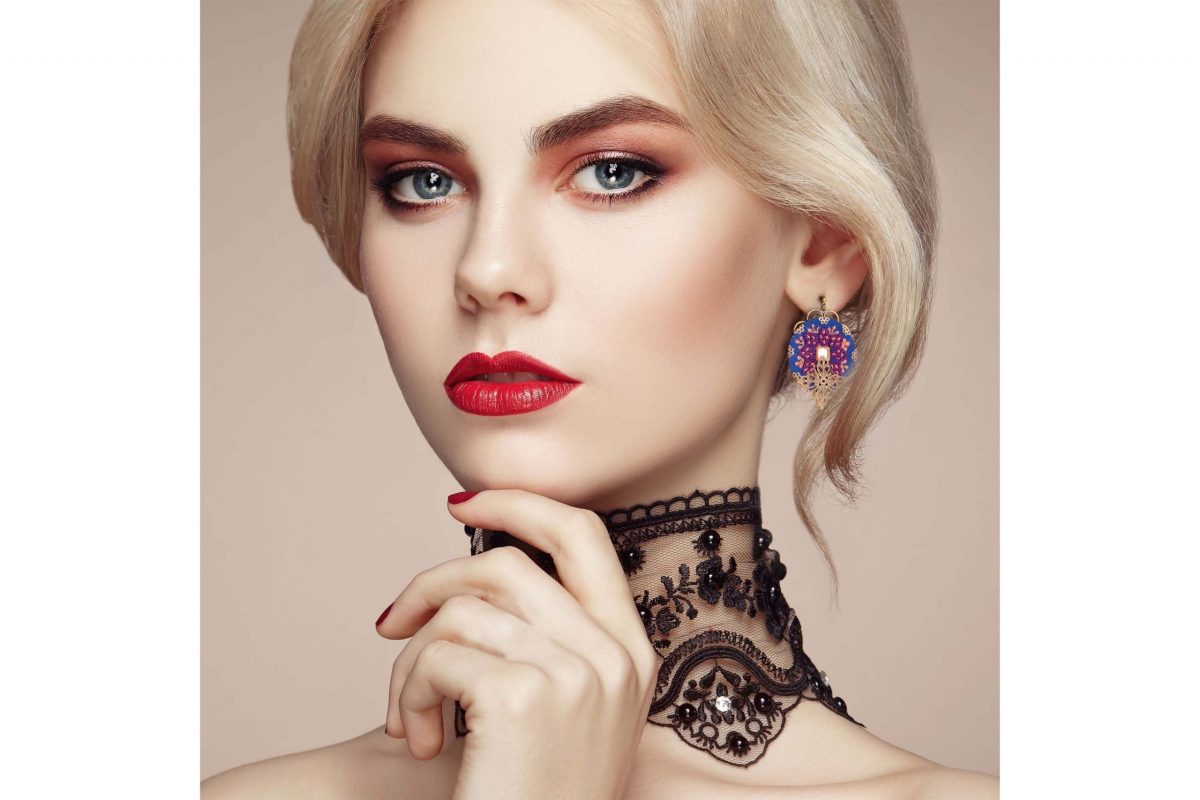
As you embark on your exploration of our unique collection on Craftestan, you will discover not just products, but stories. Each product page you visit paints a vivid picture of the timeless artistry and deep-rooted cultural heritage of Persian craftsmanship. By choosing to support Craftestan, you become a part of a movement that values tradition, supports fair trade practices, and empowers the talented women artisans who pour their hearts and souls into creating these captivating works.

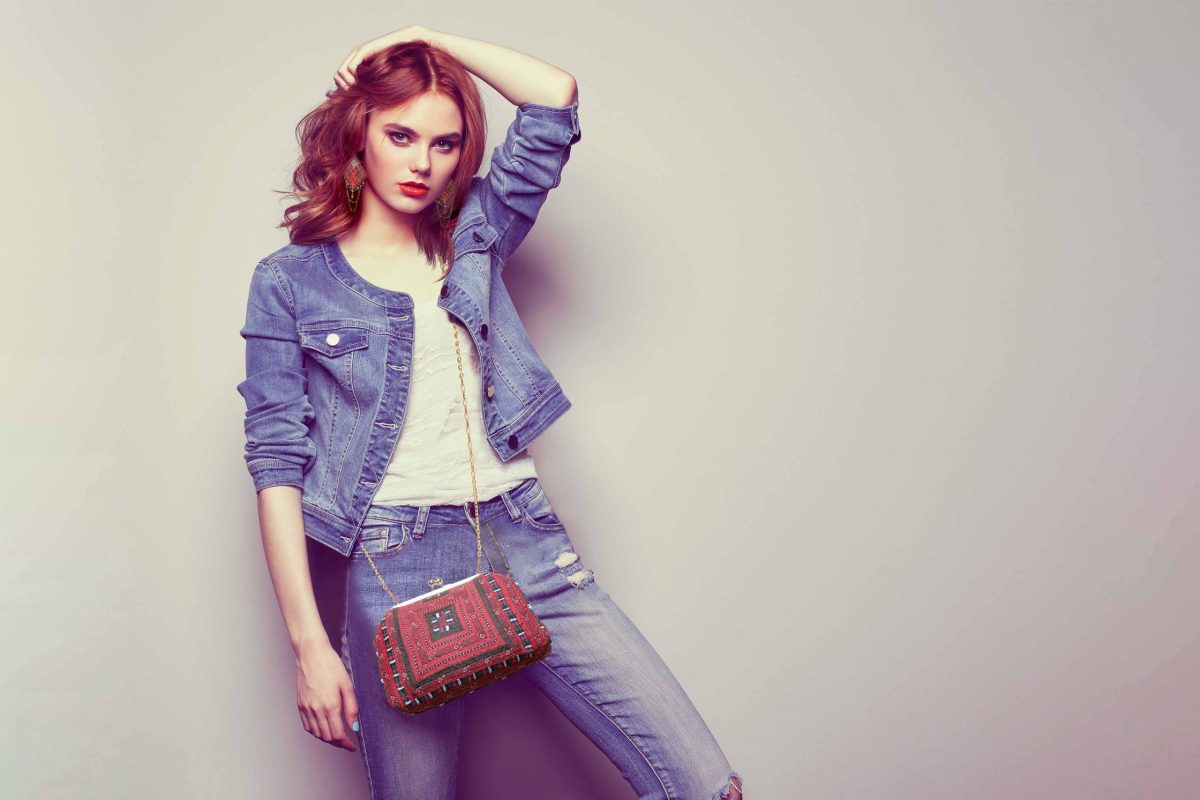
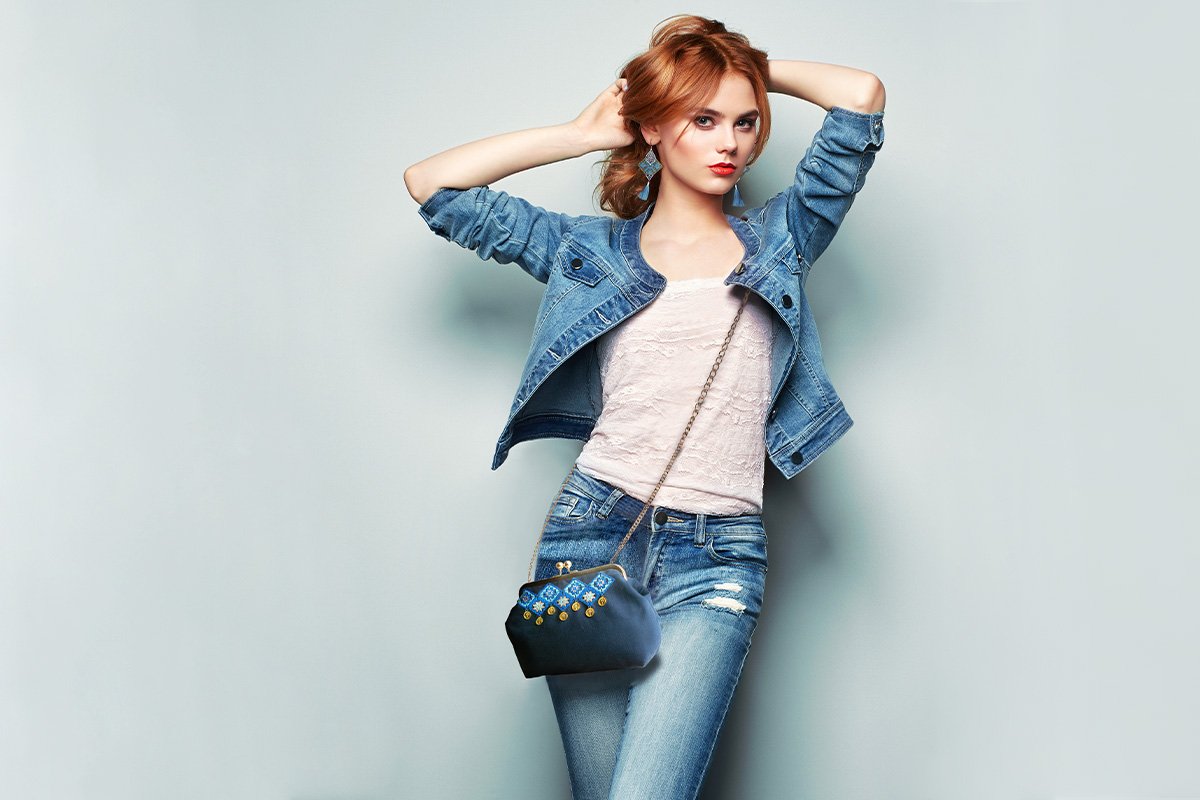
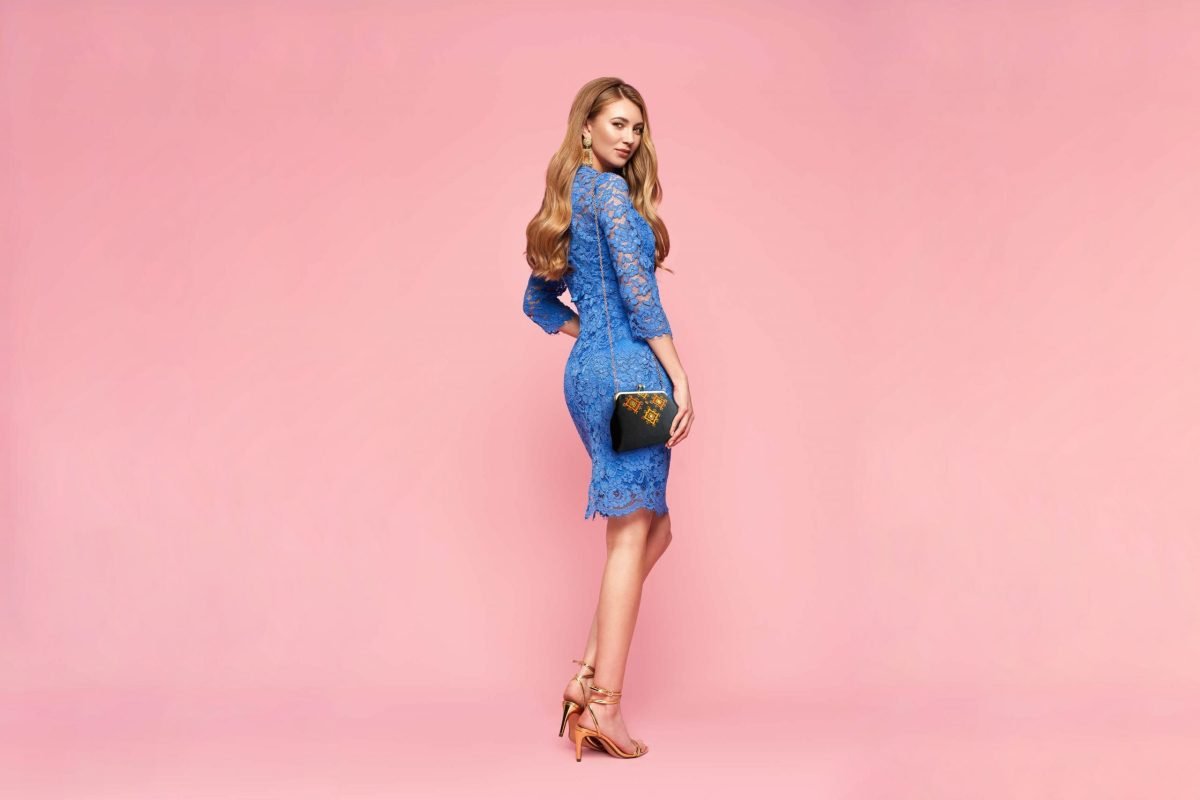


At Craftestan, each purchase is not merely a transaction. It’s a step towards preserving age-old traditions, supporting artisanal skills, and celebrating the vibrant hues and intricate designs that Persian artistry is renowned for. So why wait? Step into our world, add a dash of Persian elegance to your life with our handcrafted accessories, and let the magic of Persian textiles weave its way into your heart.



Bring a piece of Persian artistry into your life today. Embrace the spirit of the East and celebrate the rich cultural heritage it represents. Visit Craftestan, appreciate the enchanting world of Persian crafts, and bring home a story that resonates with timeless elegance and tradition.

Announcing our newest collection
FAQs
What are the key characteristics of Persian fashion during the Qajar era?
The Qajar era (1789–1925) in Persian fashion history was marked by a blend of traditional Persian elements and European influences. Key characteristics included:
- Luxurious Fabrics: Use of silk brocades with intricate gold patterns for the elite.
- Women’s Clothing: Adoption of more fitted silhouettes inspired by European styles, while maintaining vibrant colours and detailed embroidery.
- Men’s Clothing: Introduction of tailored suits and military uniforms influenced by European fashion.
- Motifs and Symbols: Incorporation of traditional Persian motifs like paisley (‘boteh’) and symbols like the ‘Shir-o-Khorshid‘ (lion and sun).
This period was defined by a harmonious fusion of tradition and innovation, reflecting societal changes and increased intercultural exchange.
How did European fashion influence Persian clothing in the 19th century?
During the 19th century, especially under the reign of Nasir al-Din Shah, European fashion significantly influenced Persian fashion history:
- Trade and Diplomacy: Established trade routes and diplomatic relations led to cultural exchanges.
- Adoption of Styles: Persian urban elites began incorporating European clothing styles, such as fitted dresses for women and tailored suits for men.
- Blending of Aesthetics: Traditional Persian elements like vibrant colours and embroidery were combined with European silhouettes and designs.
- Royal Influence: Nasir al-Din Shah’s personal adoption of European attire set a trend among the nobility and urban population.
This influence resulted in a unique aesthetic that blended Eastern traditions with Western innovations.
What is the significance of motifs like paisley in Persian fashion?
In Persian fashion history, motifs like paisley (‘boteh’) hold deep cultural and symbolic significance:
- Symbolism: Paisley represents life, eternity, and growth.
- Cultural Identity: It is a recurring motif in Persian art, textiles, and architecture, reflecting the nation’s artistic heritage.
- Design Elements: Used extensively in fabrics like silk brocades, termeh, and embroidered garments.
- Artistic Expression: Artisans utilised the paisley motif to showcase their craftsmanship and to imbue clothing with layers of meaning.
The use of such motifs connects the wearer to Persian cultural narratives and traditional artistry.
How did Persian bridal attire reflect cultural beliefs and traditions?
Persian bridal attire is a rich tapestry of cultural beliefs and traditions:
- Symbolic Motifs: Embroidery featuring tulips (love and eternity) and pomegranates (prosperity and fertility).
- Luxurious Materials: Use of velvet, silk, and silver gilt embroidery to signify wealth and auspiciousness.
- Colour Significance: Vibrant colours symbolising joy, celebration, and new beginnings.
- Blend of Influences: Incorporation of European fashion elements while retaining traditional Persian designs.
Bridal garments were more than clothing; they were embodiments of cultural values, hopes, and blessings for the couple’s future.
What role did accessories play in Persian fashion history?
Accessories were integral to Persian fashion history, serving both functional and symbolic purposes:
- Kohl Surmedan: Ornate containers for kohl, reflecting artistry through materials like termeh cloth, silver gilt thread, and seed pearls.
- Embroidered Caps: Adorned with protective symbols and intricate embroidery, symbolising protection, longevity, and spiritual beliefs.
- Knitted Socks: Elaborate designs and vibrant colours displayed craftsmanship, especially significant due to the custom of removing shoes indoors.
- Jewellery and Adornments: Accessories like earrings, necklaces, and bracelets crafted with traditional motifs and techniques.
These items complemented attire, expressed personal and cultural identity, and showcased the exceptional skill of Persian artisans.
Reference
Captivating History. Iranian History : A Captivating Guide to the Persian Empire and History of Iran, Starting from the Achaemenid Empire, through the Parthian, Sasanian and Safavid Empire to the Afsharid and Qajar Dynasty. Captivating History, 2019.
Firuz Kazemzadeh. Russia and Britain in Persia : Imperial Ambitions in Qajar Iran. London ; New York, I.B. Tauris, 2013.
Hillenbrand, Robert, et al. Ferdowsi, the Mongols and the History of Iran. Bloomsbury Publishing, 18 Nov. 2013.
Martin, Vanessa. The Qajar Pact Bargaining, Protest and the State in Nineteenth-Century Persia. Tauris Academic Studies, 2018.
“Studies in Persian Textiles.” Bulletin of the Pennsylvania Museum, vol. 18, no. 72, 1 Nov. 1922, pp. 18–18, https://doi.org/10.2307/3794029. Accessed 1 June 2023.
Related Blog Posts



 Oil Painting
 Miniature Painting
 Wall Ornaments
 Enamel
 Filigree
 Turquoise
 Decorative Plate
 Home Accents
 Decorative Vase
 Pāteh
Pāteh Térméh
 Home Accents
 Mirror
 Tea ware & Tea
 Backgammon / Chess Board
 Home Accents
 Office
 Wall Clock
 Home Accents
 Vase
Vase Decorative Vase
 Wall Decor
 Home Accents
 Mirror
 Vase
Vase Embroidery
 Enamel
 Marquetry
 Watercolour Painting
 Under £20
 Under £50
 Under £100
 Under £200
 Under £300
 Mother’s Day
 Anniversary
 Her
Her Him
Him Ancient Persia
 Persian Artefacts
 Persian Clothing
 Persian Gift Ideas
 Oil Painting
I appreciate, result in I found exactly what I was having a
look for. You have ended my 4 day long hunt! God Bless you man. Have a great
day. Bye
This is my first time pay a visit at here and i am really pleassant to read
everthing at single place.