




Ancient Persia
The Persian Horse: A Majestic Emblem of Culture and Heritage
The Persian horse has held a place of great prominence and prestige in Iranian culture throughout its rich history. Symbolising power, loyalty, and grace, these horses played a vital role in the ancient Persian empires. This blog post will take you on a fascinating journey through time, exploring the majestic representation of the Persian horse in Iranian culture, as showcased in art, architecture, and mythology.
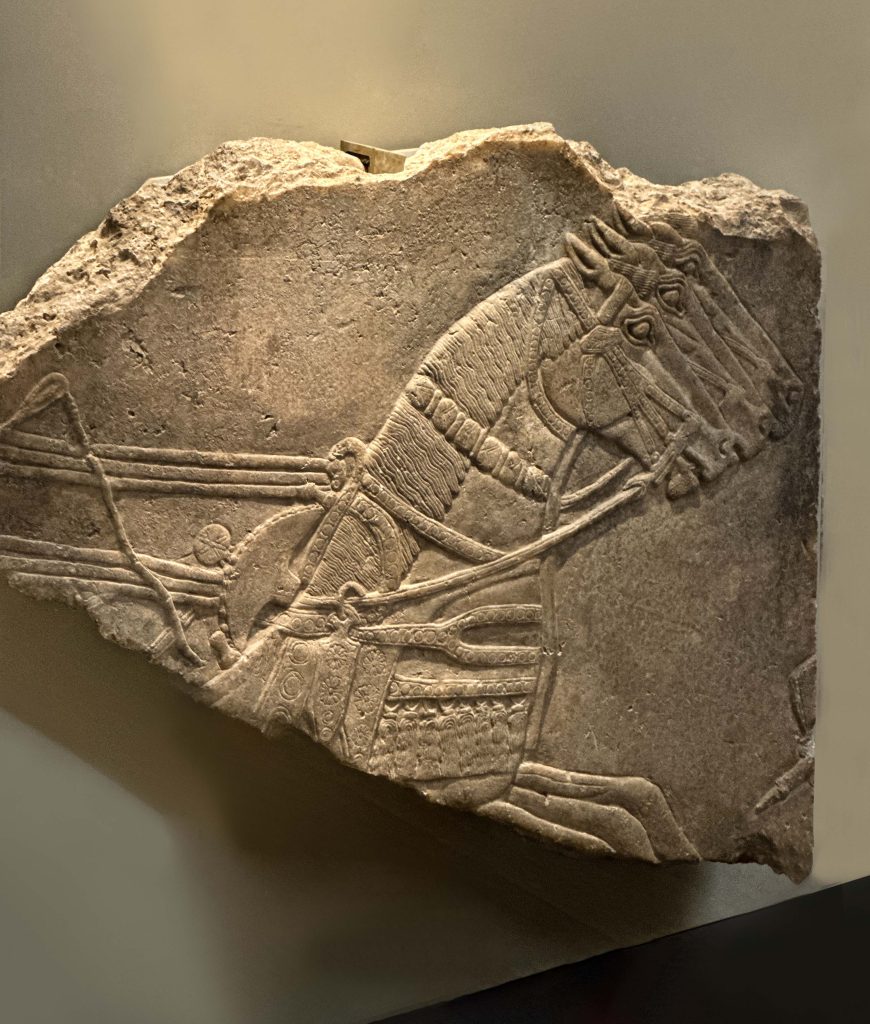
Table of Contents
Persian Horse Pride: A Glimpse into a Noble Breed
The Persian horse celebrated for its alluring beauty, strength, and elegance, has remained an integral component of Persian culture for centuries. Persian kings and nobility considered horses symbols of power and prestige, and many historic battles in Persia were won on account of their horses’ unparalleled strength and swiftness.
The ruins of ancient Persepolis, located near Shiraz, Iran, offer a treasure trove of history, art, and architecture. Among the numerous bas-reliefs adorning the site is a striking antique depiction of three warriors and a horse. This intricate carving provides valuable insight into the military prowess and organisation of the Achaemenid empire, which thrived from the 6th to the 4th century BCE.

This antique bas-relief portrays the three warriors in a disciplined formation, demonstrating the advanced military strategies of the time. The soldiers are depicted wearing traditional armour and carrying weapons, highlighting the craftsmanship and expertise of the ancient Persians in the art of warfare. The horse, standing next to the warriors, serves as a reminder of the critical role these noble creatures played in the military affairs of the Achaemenid Empire.
Horses were essential for communication, transportation, and battlefield tactics, enabling the Persian army to establish and maintain its vast empire. The presence of the horse in this bas-relief symbolises not only the animal’s significance in warfare but also its status as a symbol of power, loyalty, and grace within ancient Iranian culture.
The antique bas-relief with three warriors and a horse at the ruins of ancient Persepolis is a fascinating glimpse into the military history of ancient Persia. This captivating artwork stands as a testament to the skill, strength, and strategic acumen of the Achaemenid warriors, as well as the enduring bond between humans and horses that shaped the course of Iranian history.
Persian Horse Imagery: The Artistic Essence in Persian Art
For centuries, horses have been a recurring subject in Persian art. Persian miniatures, highly intricate and detailed paintings, frequently feature horses as the central theme. These exquisite works of art depict horses in various poses and movements, capturing their grace and beauty. Likewise, Persian carpets, globally acclaimed for their intricate designs and craftsmanship, often incorporate horses as a recurring motif.
Tradition of Hunting Gazelles with Persian Horses
The tradition of hunting gazelles with horses has been an integral part of Persian culture for centuries. This practice, known as “gazelle coursing,” was popular among Persian royalty and nobility, who viewed it as a leisure activity that demonstrated their mastery over nature and their equestrian skills.
In this thrilling pursuit, skilled horsemen would chase and capture gazelles using a combination of speed, agility, and precise coordination with their horses. The hunt was not only a test of the rider’s abilities but also an opportunity for the horse to showcase its grace, strength, and endurance.
This ancient tradition has been beautifully captured in numerous Persian artworks, such as paintings and bas-reliefs, where horse-mounted hunters are depicted in pursuit of the agile gazelles. The intricate artwork highlights the close relationship between the hunter and the horse, as they work together in harmony to achieve their goal.
One such example is a detailed painting from the Safavid period that portrays a group of hunters on horseback, pursuing gazelles in a lush landscape. The artwork captures the elegance, speed, and power of the horses as they gallop alongside the swift gazelles, showcasing the deep connection between humans and their equine companions in Persian culture.
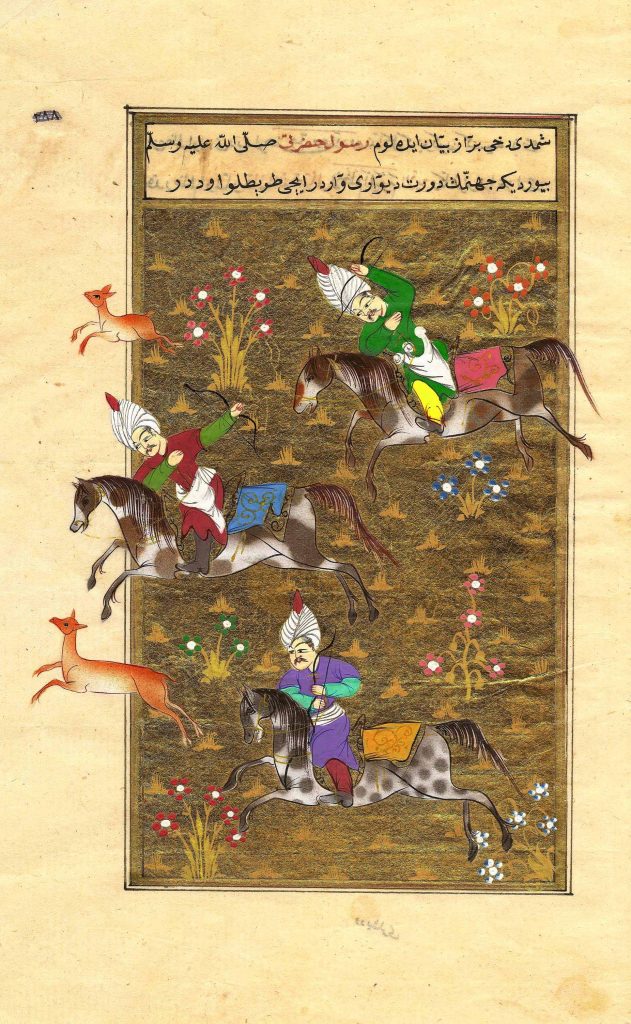
The tradition of hunting gazelles with horses is a fascinating aspect of Persian heritage that further emphasises the central role of horses in the culture, history, and art of Iran. By examining these captivating images of horse-mounted hunters and their quarry, we gain a deeper understanding of the enduring bond between humans and horses in Persian culture – a connection that remains significant to this day.
The Persian Horse’s Legacy in Literature and the Shahnameh
Horses hold a prominent position in Persian literature as well. Numerous Persian poems, stories, and epics introduce horses as pivotal characters. For instance, the Shahnameh, or the Book of Kings, is a Persian epic poem written by the poet Ferdowsi around 1000 CE. It recounts the history and mythology of Iran, from the creation of the world to the Islamic conquest of Persia. This book encompasses several tales about horses, including the story of Rakhsh, the valiant steed of the Iranian epic hero, Rostam.
One of the many remarkable episodes from the Shahnameh, the Persian epic poem, is the battle between the armies of Faramarz, the son of Rostam, and Mihark, a notorious Turanian commander.
This dramatic conflict between the two forces represents the ongoing struggle for supremacy between the Persian and Turanian empires.

The Persian miniature painting depicting this episode showcases the remarkable skill of Persian artists in capturing the intensity and chaos of the battlefield. Horses, once again, take centre stage in the artwork, highlighting their crucial role in the warfare and military tactics of the time. The painting features the mounted warriors of both sides engaged in fierce combat, displaying the prowess of both the horses and their riders.
In this scene, Faramarz, the valiant Persian prince, is portrayed mounted on his powerful steed, leading his army against Mihark‘s forces. The miniature painting captures the agility, strength, and courage of the horses, as well as the deep bond between the warriors and their trusted companions. The artwork serves as a reminder of the enduring influence of horses in Persian military history and the broader culture, symbolising power, loyalty, and grace.
Persian Horses: The Undying Pillars of Power in Ancient Persia
In ancient Persian society, horses played a crucial role in various aspects of life, including politics, military, and culture. Renowned for their strength, grace, and agility, these majestic animals were symbols of power, victory, and divine favor. Horses carried Persian kings during triumphant conquests and significantly influenced the course of history.
The Ancient Persian Horse Depiction at Necropolis: A Symbol of Royalty
The Necropolis, or Naqsh-e Rustam (Persian: نقش رستم), is an ancient burial site in Iran that houses the tombs of four Achaemenid kings. Among the impressive rock reliefs at this site is an intricately carved image of a king on his horse, a testament to the importance of horses in ancient Persian culture. This depiction symbolises the king’s authority and power, as well as the horse’s indispensable role in the empire’s military and administrative affairs. The horse’s strength and agility were considered essential for the king to lead his people and conquer new territories, further expanding the empire’s reach.

Persian Horse Sculpture in Persepolis: Victory Symbol of the Achaemenids
Located in present-day Shiraz, Iran, Persepolis (Persian: پرسپولیس) was the ceremonial capital of the Achaemenid empire. The site is adorned with numerous stone sculptures and reliefs, among which is a stunning representation of a horse. This majestic animal was a symbol of victory and power for the ancient Achaemenid kingdom. The horse was crucial for the empire’s military success, as it facilitated swift communication, transportation, and the execution of tactical manoeuvres in battle. This sculpture, alongside other depictions of horses in Persepolis, showcases the deep reverence and respect ancient Persians held for these magnificent creatures.

The Investiture of Ardashir I – The Persian Horse in Power Transitions at Naqsh-e Rostam
The investiture of Ardashir I, founder of the Sasanian Empire, is immortalised in a bas-relief at Naqsh-e Rostam, the Tomb of Persian Kings. This impressive carving depicts the king on horseback, receiving the symbol of kingship from the Zoroastrian god Ahura Mazda (Persian: اهورا مزدا). This scene emphasises the significance of horses in both the political and religious spheres of ancient Iran. The horse, once again, serves as a symbol of power, grace, and divine favour, reinforcing the connection between the ruler and his divine patron. The investiture of Ardashir I is a prime example of how horses were intricately woven into the fabric of Iranian culture and history.

The Stone Relief Depicting Persian Horses: A Testament to the Assyrian Campaigns
The history of the Persian horse isn’t just limited to its native land. They have also made their mark, quite literally, in the heart of the Assyrian Empire. The appreciation for these magnificent creatures was widespread and transcended national boundaries. A vivid testimony of this admiration is encapsulated in the intricate stone reliefs found in the ruins of the ancient Assyrian palaces.
The Magnificent Depiction at the North-West Palace of Ashurnasirpal at Nimrud
Among the rich archaeological treasures unearthed in the North-West Palace of Ashurnasirpal at Nimrud, northern Iraq, a stone relief stands out. This carved gypsum fragment, believed to be from the 9th century BC, originally formed part of a larger Assyrian tableau. It illustrates a team of horses drawing a chariot, emphasising the vital role of these animals in the military and ceremonial contexts of the time.
The intricacy of the carving provides an unparalleled view into the importance of horses in Assyrian warfare and culture. The chiseled details portray the horses with reins, subtly capturing the essence of motion and discipline, as they’re led by the hands of a charioteer wielding a whip. Adjacent to this charioteering scene, the fragment also exhibits the shoulder and quiver of a foot-soldier, indicating the continued narrative on an adjoining panel.
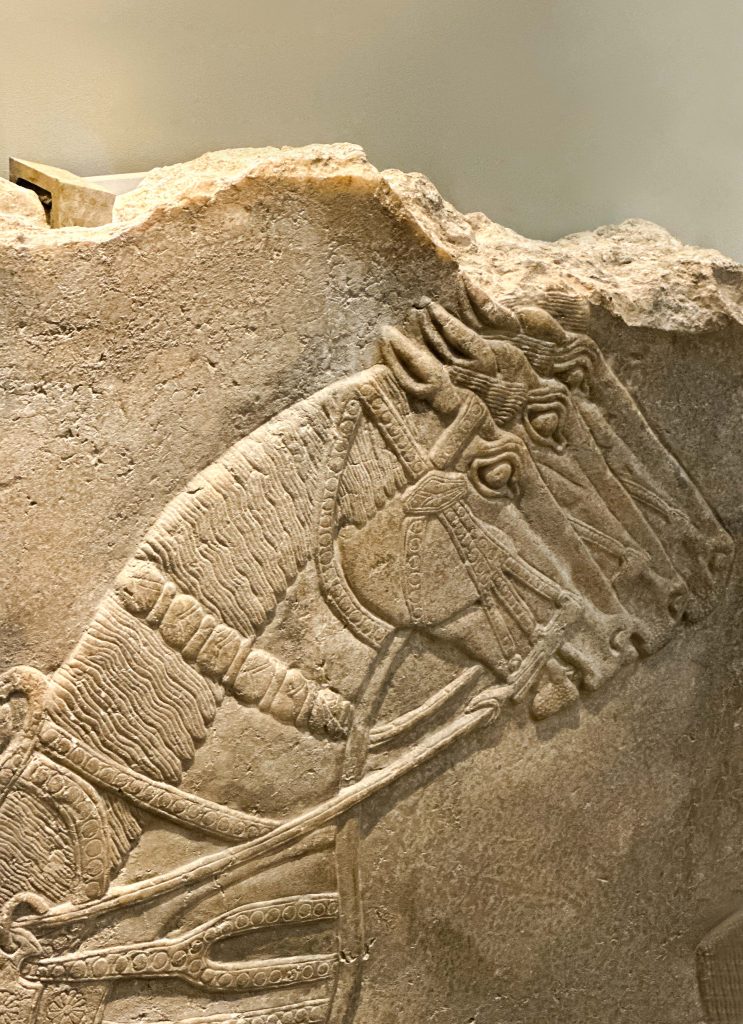
While the Assyrians were known for their expansionist campaigns, western Iran was frequently on their radar during the 9th and 8th centuries BC. The Persian horses, celebrated for their agility and strength, were among the most coveted spoils of war for the Assyrians. These horses weren’t just trophies but were instrumental in strengthening the Assyrian chariotry and cavalry units.
The Cultural Exchange: Assyrian Appreciation of the Persian Horse
It’s essential to recognize that this relief is not merely an artistic representation but an indication of a broader cultural exchange between the Persians and the Assyrians. The Assyrians, while often in conflict with regions of western Iran, undeniably admired and valued Persian horses for their superior qualities. Such horses were incorporated into the Assyrian military, revolutionizing their cavalry and chariot units. The repeated depiction of these horses in Assyrian art suggests an admiration and a sense of prestige associated with owning such horses.
Moreover, the technique used in this relief – carved on gypsum and polished – is characteristic of the Neo-Assyrian period. The choice of material and craftsmanship tells us about the significant advancements in art during this time. Gypsum, being a softer stone, allowed for intricate detailing, making it a preferred medium for artists aiming to capture the finer details in their subjects.
Persian Horses in Modern-day Iran: An Enduring Significance
Persian horses have long been synonymous with Iran’s rich cultural tapestry, from ancient times as symbols of power and pride to their contemporary roles in sports and recreation. Their historical significance might have evolved, but their centrality in Iranian life remains. Today, their legacy is as much a part of storytelling and oral traditions as it is in physical practices. Grandparents share tales of majestic horses from yesteryears, linking the past with the present and ensuring that the next generation understands the significance of these magnificent creatures in the annals of Persian history.
Equestrian Sports and the Iranian Passion
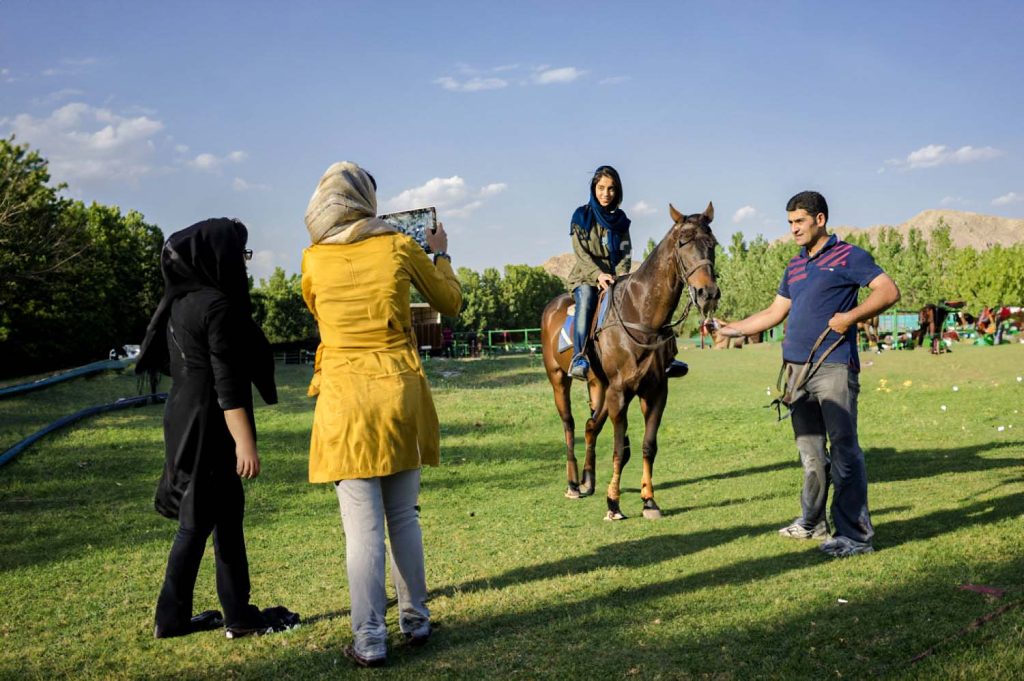
As the winds of time have shifted, so have the roles of Persian horses. In contemporary Iran, equestrian sports have witnessed a significant resurgence. From traditional tent pegging to modern show jumping and dressage, the bond between horse and rider is palpable in numerous equestrian events across the country. The tracks echo with the cheers of passionate fans, celebrating not just the athleticism of the horse and rider but also the cultural heritage that these events represent. The internationally recognised Caspian horse, for instance, originating from the northern regions of Iran, serves as a symbol of the country’s lasting equestrian legacy.
Breeding Excellence: A Commitment to Tradition
The pride Iranians hold for their equestrian history is also evident in their dedication to horse breeding. Not content to merely rest on historical laurels, breeders in Iran are committed to maintaining the lineage of their famed horses, ensuring that future generations can also experience the beauty and prowess of true Persian breeds. This commitment is evident in breeding farms that dot the Iranian countryside, where meticulous care and attention are given to nurturing and training. These efforts ensure that Iran’s reputation for producing world-class horses, known for their endurance, agility, and grace, continues to flourish in the modern era.

Concluding the Legacy: The Eternal Role of Persian Horses
From the sandstone carvings at Necropolis to the stone sculptures of Persepolis, the bas-relief at Naqsh-e Rostam, and the captivating Persian miniature from the Shahnameh, horses have held a central and revered position in Iranian culture throughout history. These stunning examples of art and architecture capture the essence of the horse’s significance in ancient Persia, reflecting its role in warfare, religion, and royal affairs. By exploring these fascinating glimpses into Iran’s past, we are reminded of the deep-rooted connection between the people of Iran and their beloved horses—a relationship that continues to endure and evolve in the modern era.
Embrace the Persian Horse Artistry in Hand-Painted Oil Paintings at Craftestan
As you’ve journeyed with us through the majestic world of horses in Iranian culture, you may feel inspired to bring a piece of this rich heritage into your own home. At Craftestan, we’re passionate about preserving the beauty and history of Iran’s equestrian traditions.


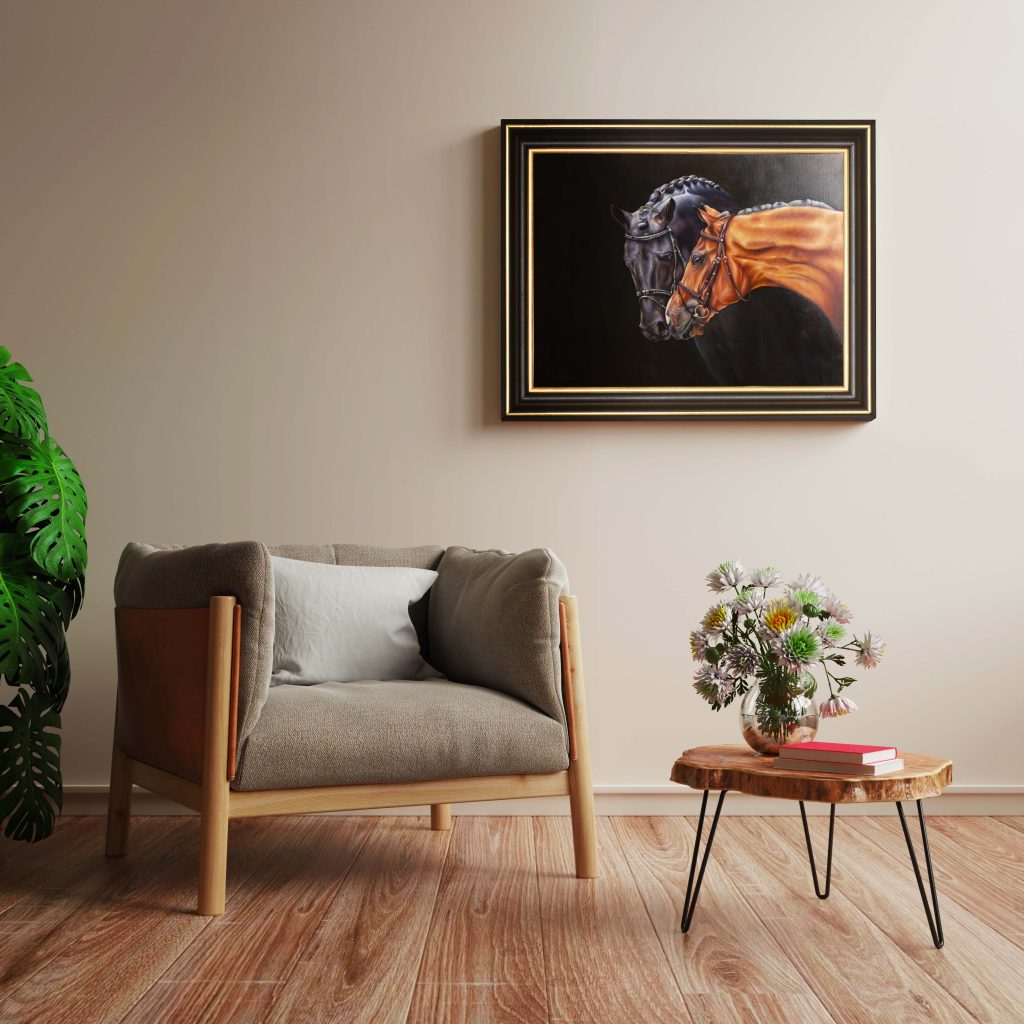


We invite you to explore our exquisite collection of hand-painted horse oil paintings, where each piece is a unique work of art, crafted with the utmost care and attention to detail by our talented artists. These stunning paintings capture the grace, power, and elegance of horses, making them the perfect addition to your home or office.
Visit Craftestan today and immerse yourself in the captivating world of Iranian equestrian art. Let the spirit of these magnificent creatures gallop into your heart and home, creating a timeless connection to Iran’s rich cultural history.
Related Blog Posts



 Oil Painting
 Miniature Painting
 Wall Ornaments
 Enamel
 Filigree
 Turquoise
 Decorative Plate
 Home Accents
 Decorative Vase
 Pāteh
Pāteh Térméh
 Home Accents
 Mirror
 Tea ware & Tea
 Backgammon / Chess Board
 Home Accents
 Office
 Wall Clock
 Home Accents
 Vase
Vase Decorative Vase
 Wall Decor
 Home Accents
 Mirror
 Vase
Vase Embroidery
 Enamel
 Marquetry
 Watercolour Painting
 Under £20
 Under £50
 Under £100
 Under £200
 Under £300
 Mother’s Day
 Anniversary
 Her
Her Him
Him Ancient Persia
 Persian Artefacts
 Persian Clothing
 Persian Gift Ideas
 Oil Painting