






Oil Painting
Whistlejacket: A Paradigm Shift in Equine Portraiture by George Stubbs
Deep within the canon of Western painting, George Stubbs (1724-1806) holds a distinct position as a virtuoso of equine portraiture. A relentless advocate of anatomical accuracy and a pioneer in animal artistry, his works transcend the boundary of art and science, offering a profound intersection that few artists have managed to achieve. Among his diverse portfolio, one particular masterpiece captures the essence of Stubbs’ vision like no other: ‘Whistlejacket’, painted in 1762.
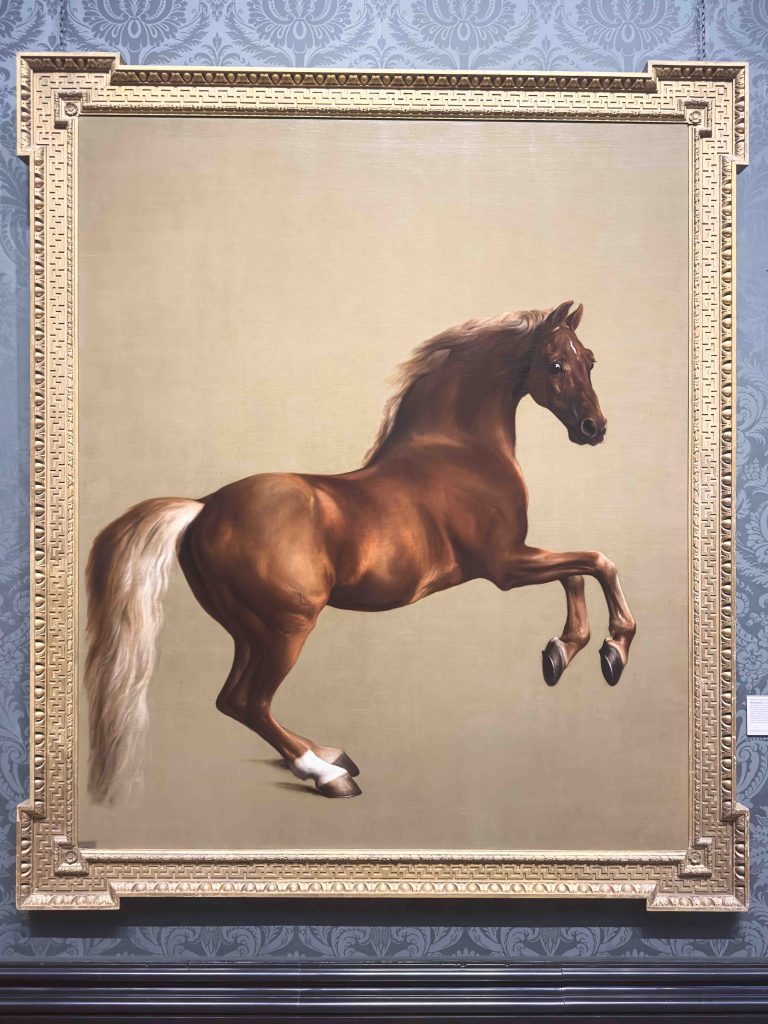
Table of Contents
The Revolutionary Artistry of George Stubbs
George Stubbs (1724-1806), the celebrated master of equine artistry, made an indelible mark in the annals of Western painting by forging an unexpected but intriguing alliance between the domains of art and science. A relentless investigator of anatomical accuracy, his rigorous studies, meticulous observations, and painstaking dissections empowered him to depict his subjects with an unerring precision that was virtually unprecedented in his era.
In this unique fusion of disciplines, Stubbs challenged the prevailing norms of animal representation, pushing the boundaries beyond superficial aesthetics to the realms of biological authenticity. His canvases emerged not just as visual representations, but as scholarly documents that captured the intrinsic spirit and physicality of his subjects. Over the years, Stubbs’ name has become emblematic of a groundbreaking epoch in animal portraiture, one that underscored the potential of equine depiction and paved the way for a more holistic understanding of animal portraiture.
The crux of Stubbs’ innovative vision is captured in his iconic masterpiece ‘Whistlejacket’, an oil-on-canvas painted in 1762. In this artwork, Stubbs’ profound understanding of equine anatomy is laid bare, inviting the viewer to marvel at the meticulous detailing that brings the majesty of Whistlejacket to life. But beyond the biological accuracy, what truly sets this painting apart is the philosophical shift it represents.
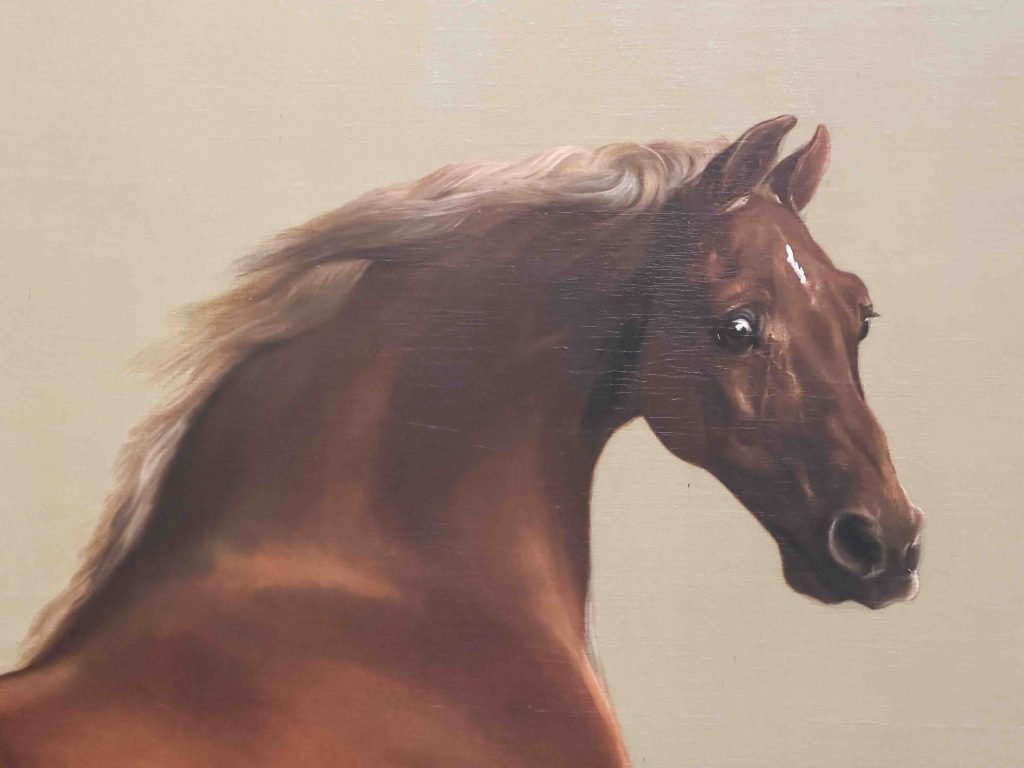
In ‘Whistlejacket’, Stubbs challenges the traditional hierarchy of genres, subverting the narrative norms of his time. He rejects the common practice of using the Arabian horse as a decorative accessory to underscore human grandeur. Instead, he presents Whistlejacket as the central protagonist of the narrative, liberating the equine subject from the confines of human dominance. This breakaway from tradition and the courage to place an animal at the forefront of a narrative was a radical departure from the anthropocentric perspective of art prevalent in his era.
Furthermore, the absence of a contextual backdrop isolates Whistlejacket in a vacuum of undefined space, unanchored from any geographical or temporal setting. This choice intensifies the viewer’s encounter with the stallion, compelling them to confront and appreciate the raw beauty, power, and vitality of the animal in its purest form. It propels the viewer into an intimate dialogue with the creature, fostering a deeper understanding and admiration for its intrinsic worth.
In ‘Whistlejacket’, Stubbs redefines the role and representation of animals in art, igniting a paradigm shift that continues to resonate in the art world even today. This masterpiece stands as a testament to Stubbs’ audacity, vision, and remarkable understanding of equine anatomy, showcasing his enduring contribution to the evolution of animal portraiture in Western art.
‘Whistlejacket’: A Radical Departure from Tradition
In ‘Whistlejacket’, George Stubbs orchestrates a groundbreaking departure from the prevailing conventions of equestrian art. He refuses to confine the majestic stallion to a secondary role, offering mere adornment to human subjectivity. Instead, he audaciously positions Whistlejacket in a levade, a stance typically reserved for esteemed military generals. This radical choice suggests a refusal to subordinate the equine subject to human prominence, instead presenting the horse as a formidable entity in its own right.
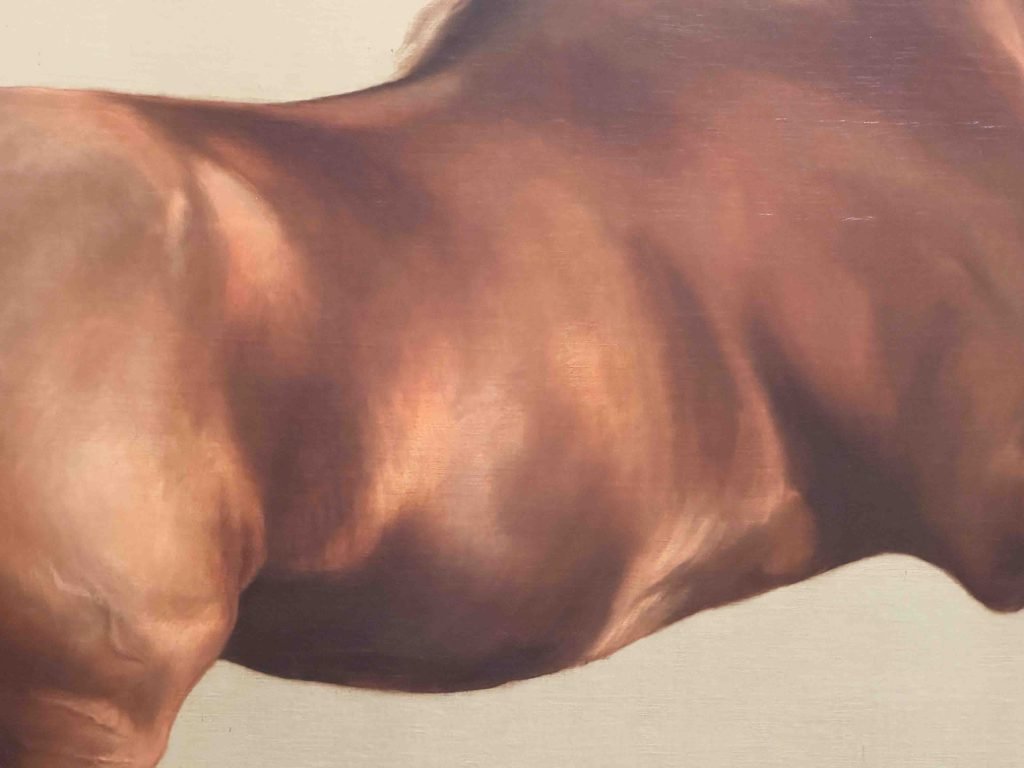
This fundamental shift in the perception of the horse places the focus firmly on the racehorse’s inherent attributes. The composition emphasizes Whistlejacket’s dynamism, grace, and inherent nobility, prompting the viewer to consider the horse not as an auxiliary to human power, but as a symbol of raw power and elegance in itself. The audacity of this decision underscores Stubbs’ innovative approach to animal portraiture, asserting the innate worth of the animal as a subject of study, contemplation, and admiration.
Stubbs’ innovation further manifests in his choice of a stark, blank backdrop. Divorced from any contextual cues or ancillary elements, the Arabian horse is projected into an aesthetic vacuum. This unconventional approach to composition amplifies the viewer’s focus on Whistlejacket, directing their attention towards the meticulously detailed anatomy and the dynamism of the Arabian horse’s pose.
This absence of context also serves another, subtler purpose. By depriving the viewer of a defined setting or extraneous elements, Stubbs encourages a more direct, personal engagement with the Arabian horse. This spatial ambiguity invites viewers to move beyond passive observation, eliciting a more profound understanding and appreciation of the creature’s beauty, strength, and nobility.
In essence, ‘Whistlejacket’ represents a thought-provoking exploration of equine majesty, straying from the accepted norms of its time. Through his creative choices, Stubbs challenges the viewer’s perceptions, compelling them to confront the majesty of the horse directly, thus nurturing a deeper appreciation of its intrinsic worth. Through this masterwork, Stubbs heralds a transformative phase in the evolution of equestrian art, reinforcing his status as a trailblazer in the genre.
Stubbs’ Legacy and Impact on Equine Portraiture
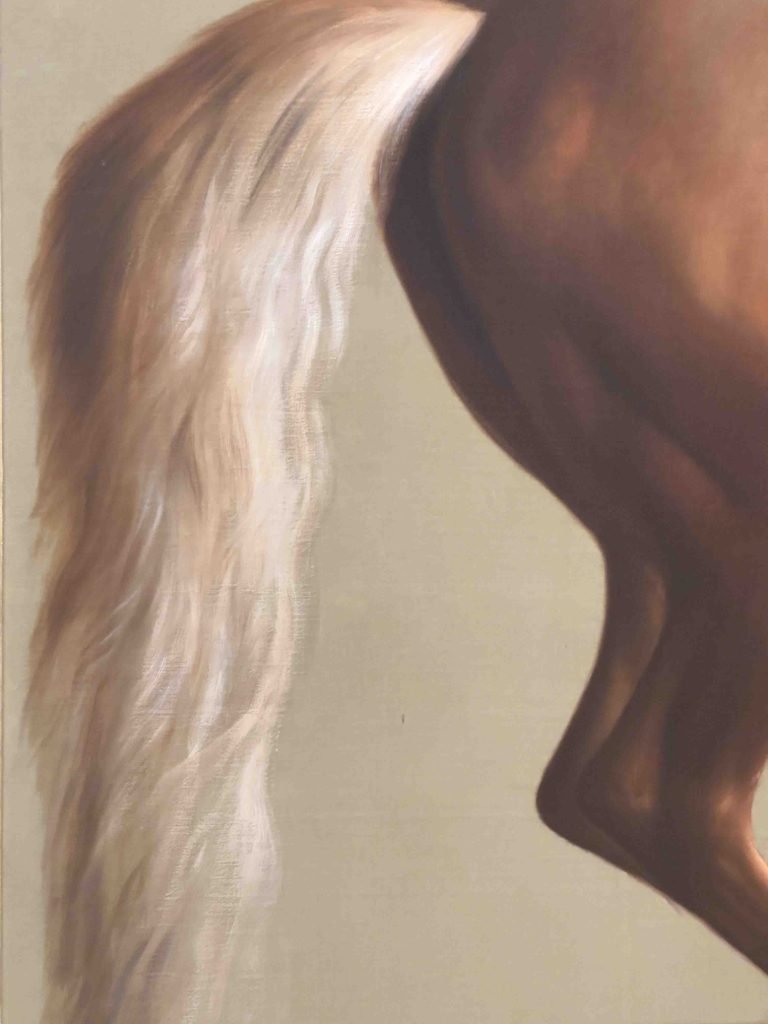
The influence of ‘Whistlejacket’ stretches far beyond its inherent visual allure. This exceptional work of art is more than a mere painting—it is a bold declaration of a fresh artistic philosophy, a landmark in cultural history that set the course for a new era in animal portraiture. By presenting the horse in a solitary, heroic context, Stubbs brazenly challenged and reconfigured the accepted norms of equine art. His decision to grant the horse its own narrative autonomy was more than merely audacious—it represented a seismic shift in artistic perspective.
In ‘Whistlejacket’, Stubbs does more than just depict an Arabian horse; he pays homage to its innate worth, independent of its traditional association with human status or prestige. The painting is a poignant celebration of the horse’s raw beauty, strength, and elegance. It asserts the creature’s inherent dignity and validates its significance as a subject worthy of independent artistic investigation. This is a fundamental diversion from the conventional, human-centric approach prevalent in art circles of the time.
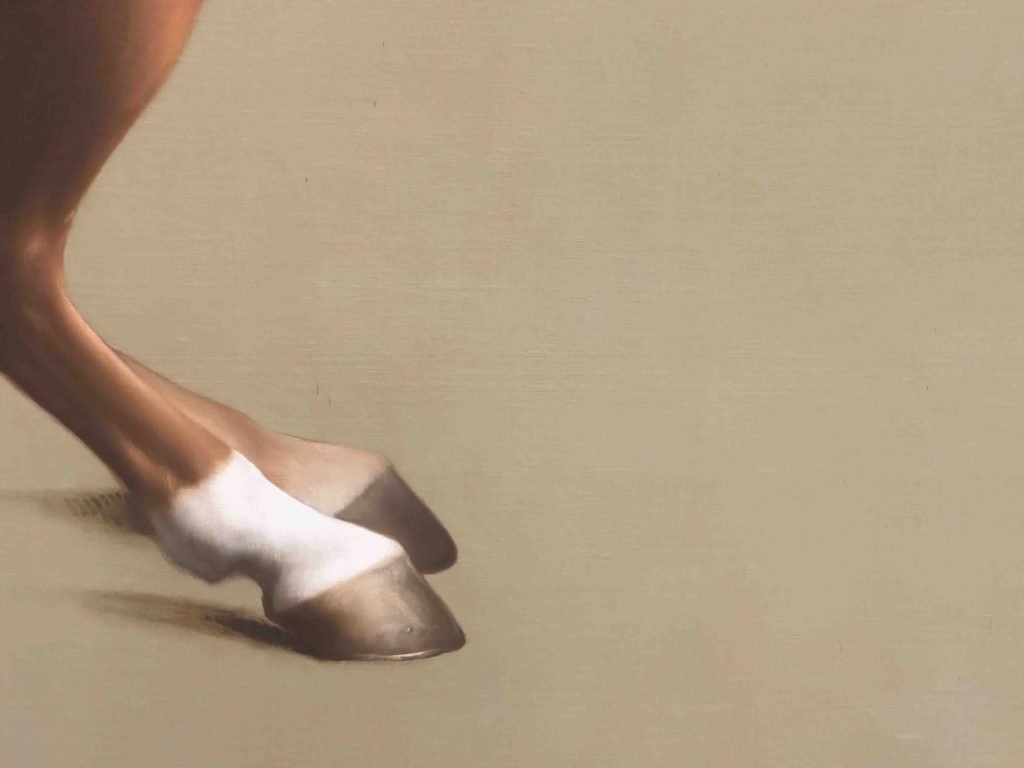
Stubbs’ innovative approach towards equine portraiture marked the dawn of a rejuvenated phase in the genre. His bold exploration of animal-focused portraiture unveiled new artistic possibilities and redefined the horse’s role in art from a mere accessory to a central subject. His work served as a clarion call for fellow and future artists, inspiring them to delve into this under-explored domain with a newfound respect and perspective.
In summary, ‘Whistlejacket’ is not just a painting but a paradigm shift, an artistic revolution, a masterstroke that not only redefined the boundaries of equine art but also heralded a new understanding and appreciation of the intrinsic value of the animal subject. The influence of this masterpiece resonates through the annals of art history, its reverberations felt even today in the evolving world of animal portraiture.
Final Thoughts on ‘Whistlejacket’
In the history of Western painting, George Stubbs’ ‘Whistlejacket’ occupies a distinctive place. It exemplifies the power of simplicity and the impact of shifting the narrative focus. It stands as a tribute to an artist who dared to challenge conventions and saw, in the form of a horse, a subject worthy of detailed artistic attention. This masterpiece, steeped in unadulterated equine majesty and understated background design, continues to inspire and influence the field of animal portraiture to this day.
About Craftestan
As we conclude our journey through the captivating world of George Stubbs and his seminal work ‘Whistlejacket’, we’d like to introduce you to Craftestan. Dedicated to preserving the rich tradition of equine artistry, Craftestan continues the legacy of masterful horse portraiture.
At Craftestan, each oil painting of horses is a testament to meticulous craftsmanship, executed by professional painters who, like Stubbs, are renowned masters in their field, guiding the next generation of artists through their teachings. Our painters’ attention to detail is exceptional, mirroring the same level of anatomical accuracy and passion for equine form found in Stubbs’ masterpiece.
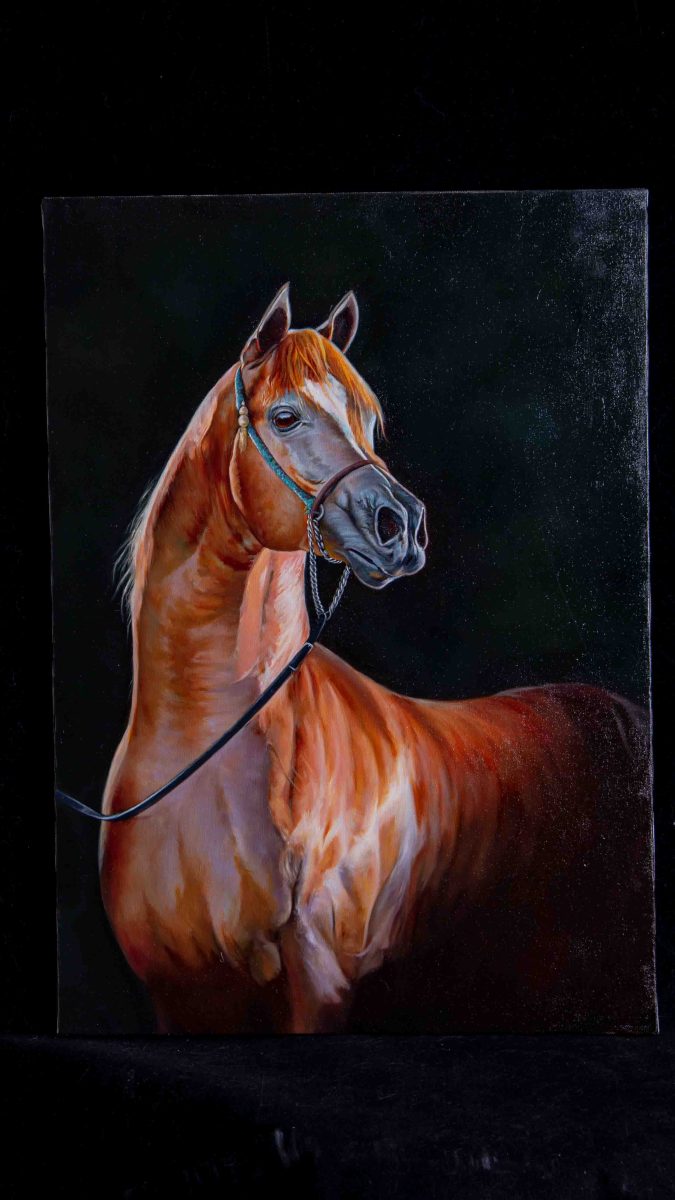
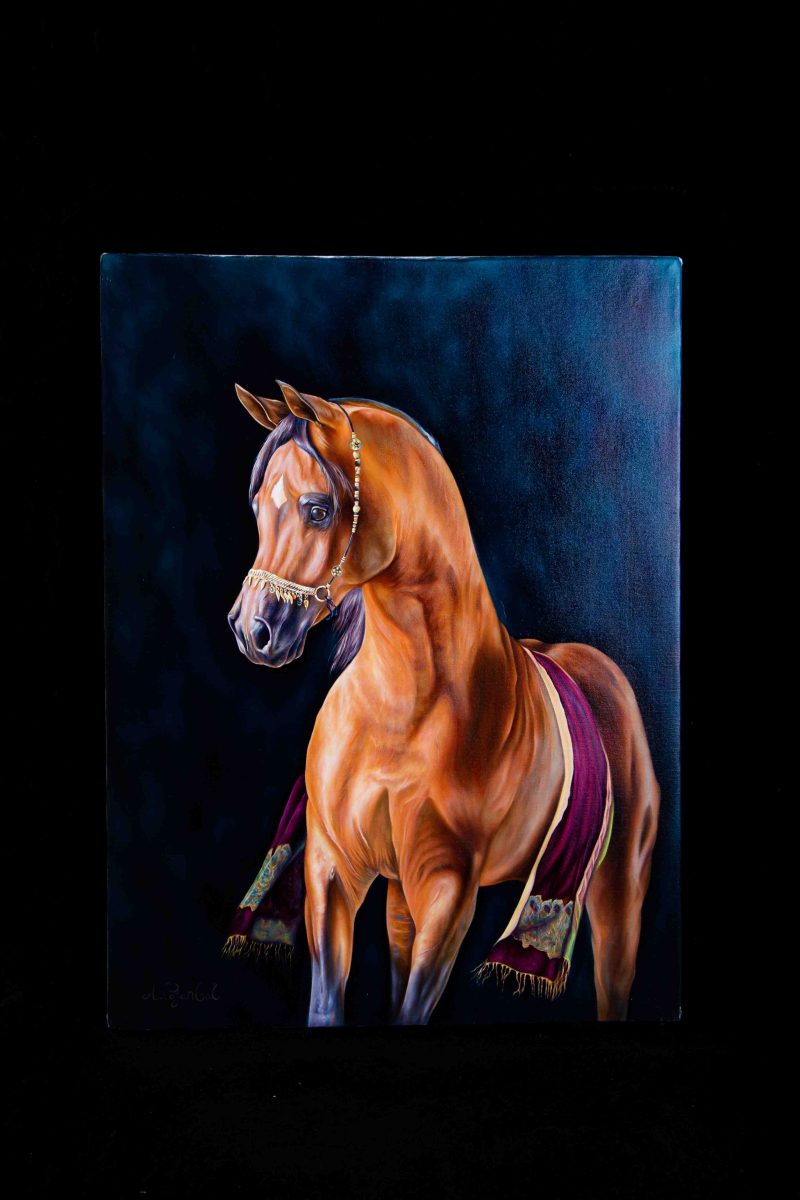
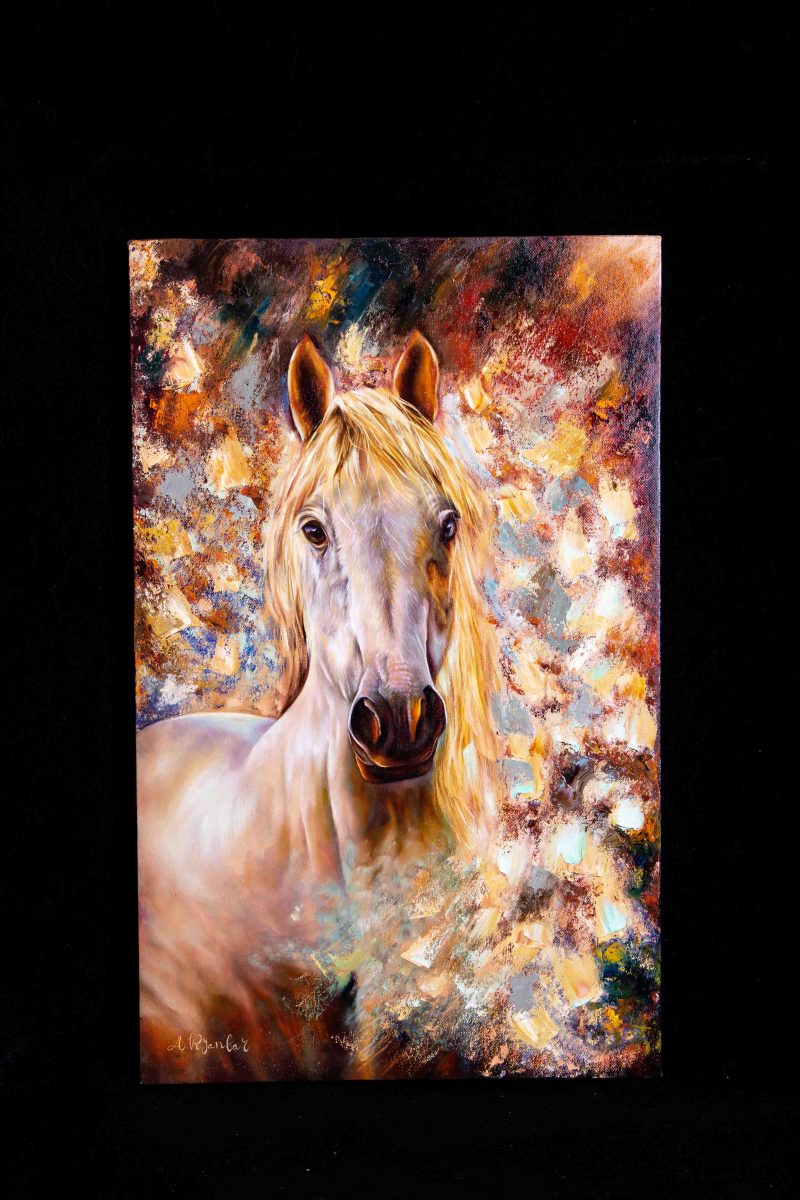
Whether you’re an avid art collector, a horse lover, or simply someone who appreciates fine artistry, we invite you to explore our collection. Experience the breathtaking beauty and dynamic power of our equine portraits, each painting echoing the majesty of Stubbs’ revolutionary work. Visit Craftestan today and allow the sublime beauty of our horse oil paintings to captivate your senses and ignite your love for equine artistry.
Related Blog Posts



 Oil Painting
 Miniature Painting
 Wall Ornaments
 Enamel
 Filigree
 Turquoise
 Decorative Plate
 Home Accents
 Decorative Vase
 Pāteh
Pāteh Térméh
 Home Accents
 Mirror
 Tea ware & Tea
 Backgammon / Chess Board
 Home Accents
 Office
 Wall Clock
 Home Accents
 Vase
Vase Decorative Vase
 Wall Decor
 Home Accents
 Mirror
 Vase
Vase Embroidery
 Enamel
 Marquetry
 Watercolour Painting
 Under £20
 Under £50
 Under £100
 Under £200
 Under £300
 Mother’s Day
 Anniversary
 Her
Her Him
Him Ancient Persia
 Persian Artefacts
 Persian Clothing
 Persian Gift Ideas
 Oil Painting
Usually I do not read article on blogs however I would like to say that this writeup very compelled me to take a look at and do it Your writing style has been amazed me Thank you very nice article
I do agree with all the ideas you have introduced on your post They are very convincing and will definitely work Still the posts are very short for newbies May just you please prolong them a little from subsequent time Thank you for the post
Wow wonderful blog layout How long have you been blogging for you make blogging look easy The overall look of your site is great as well as the content